General Details
Plant Characteristics
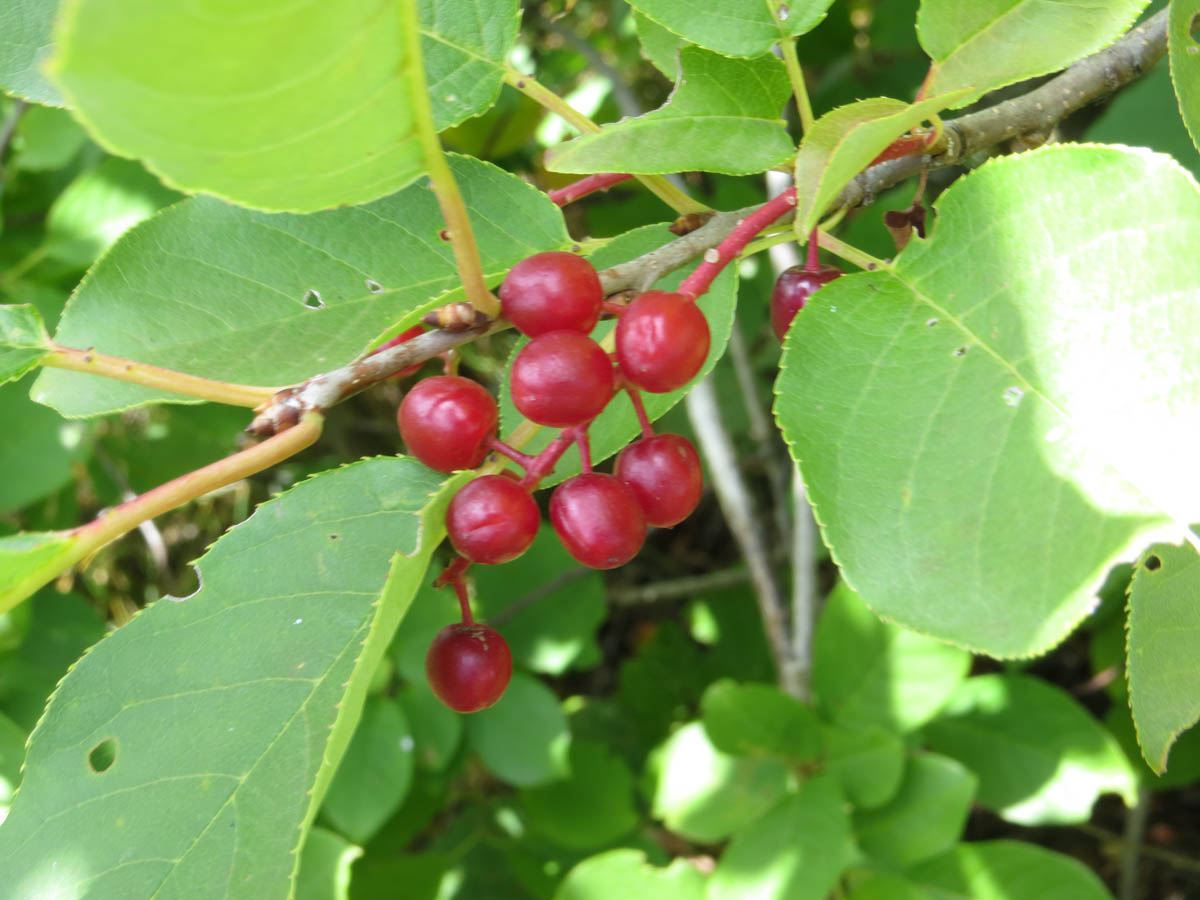
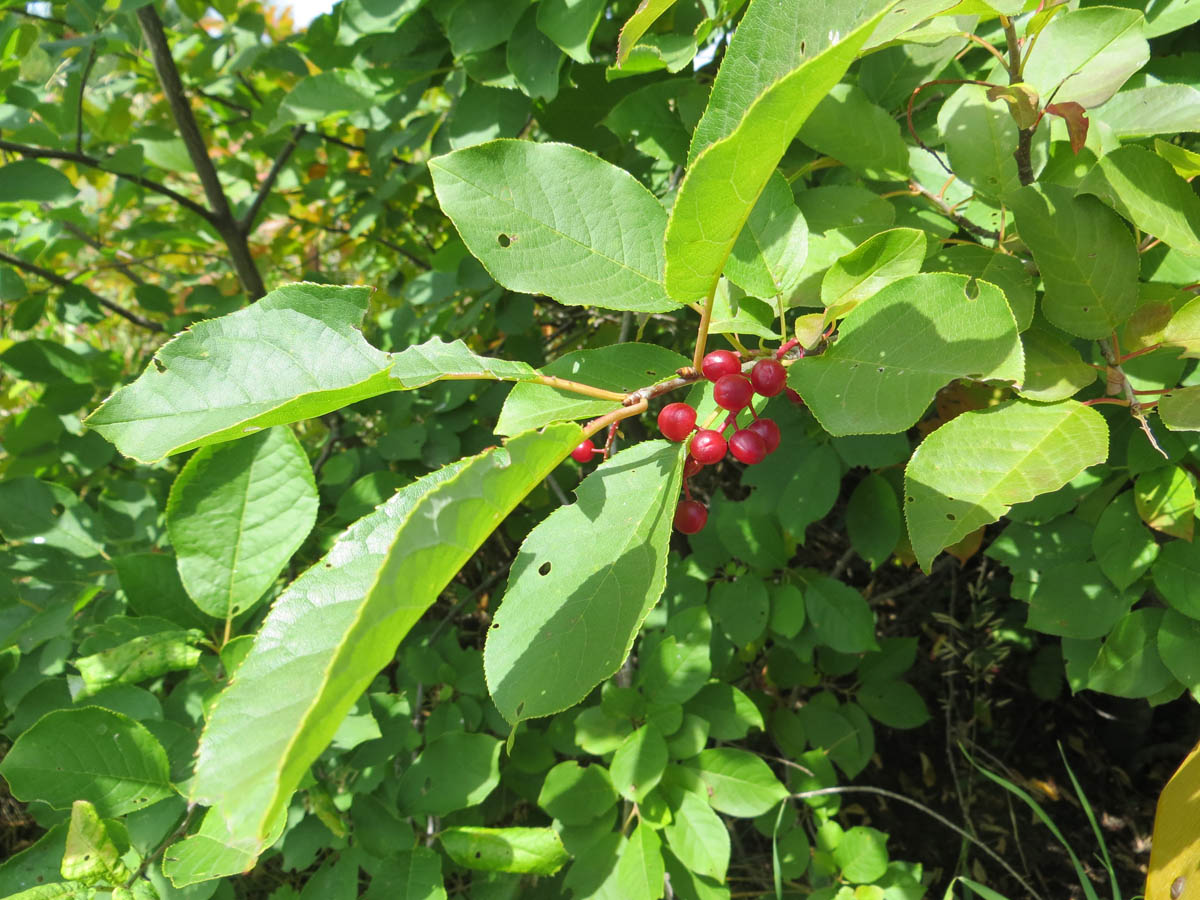
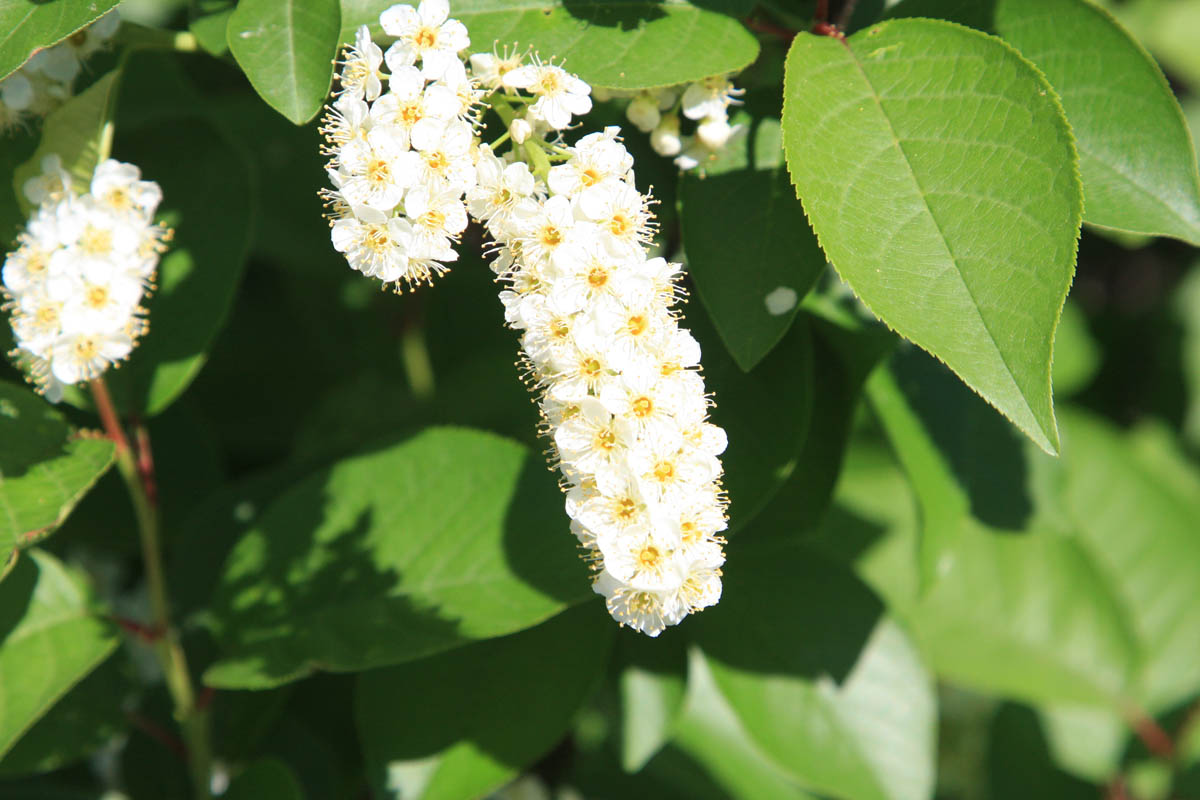
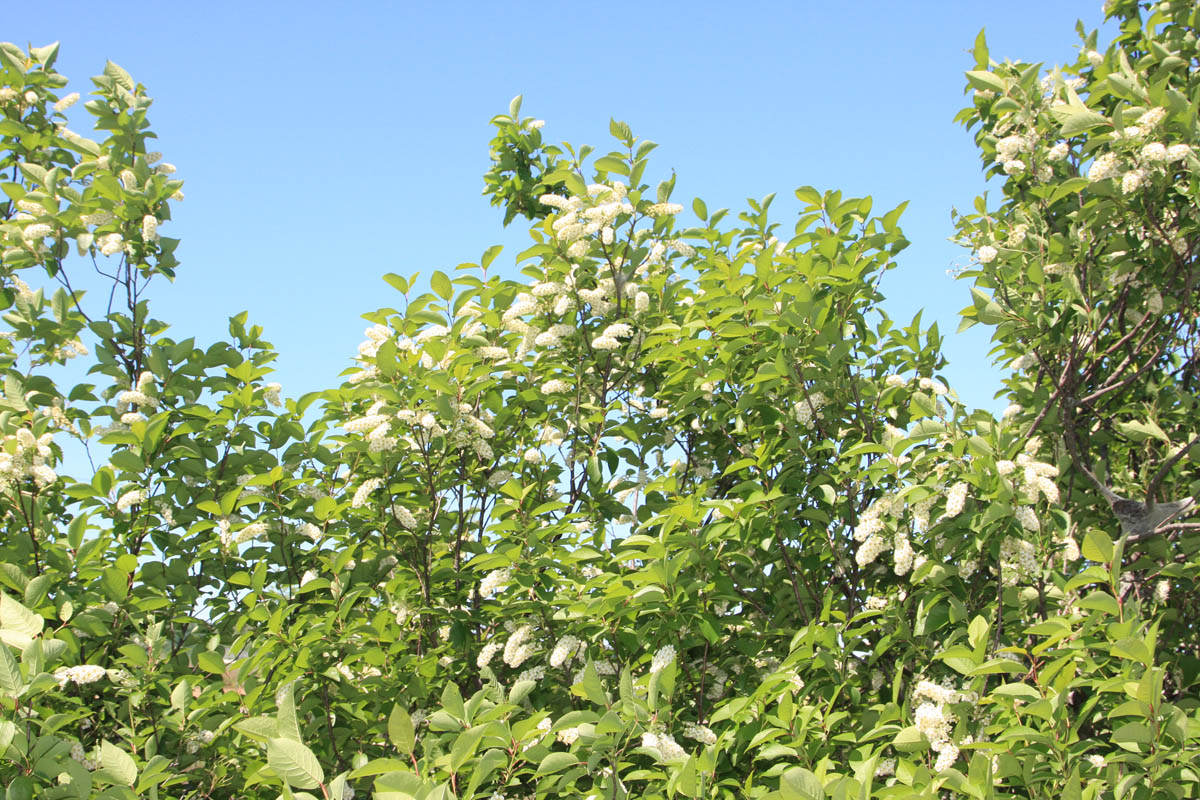
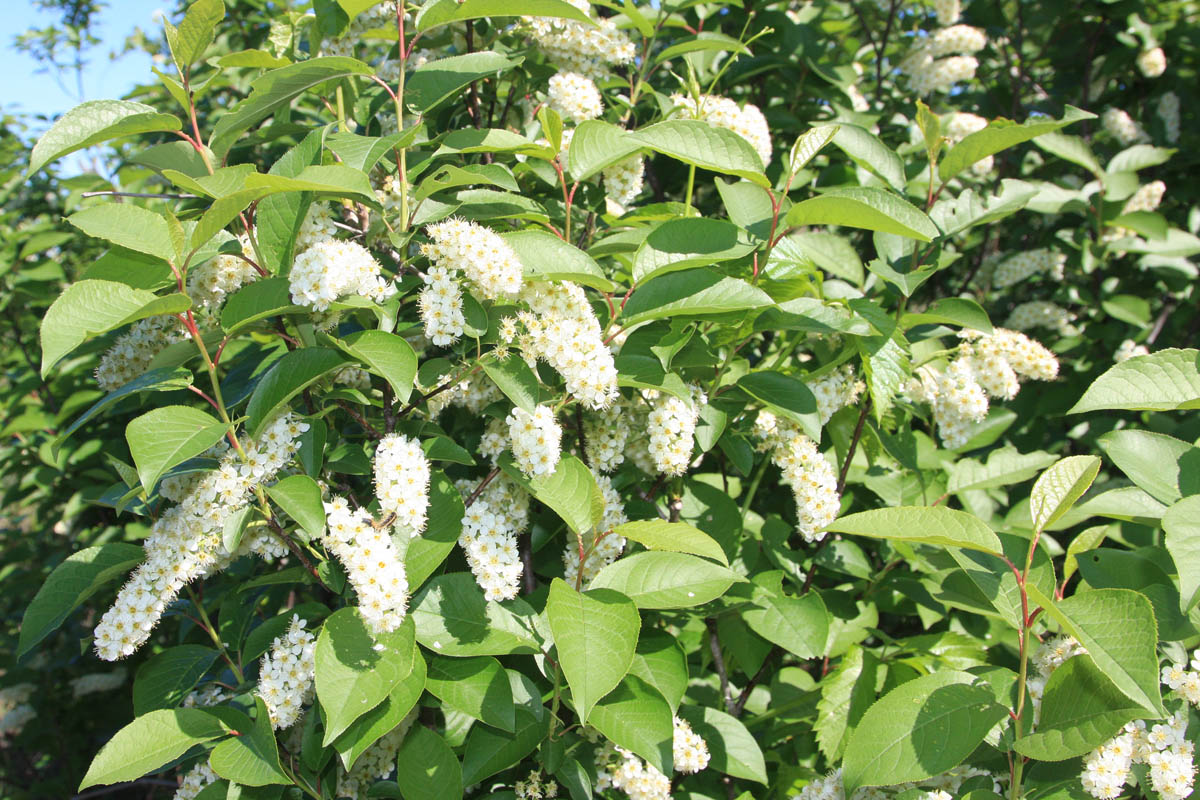
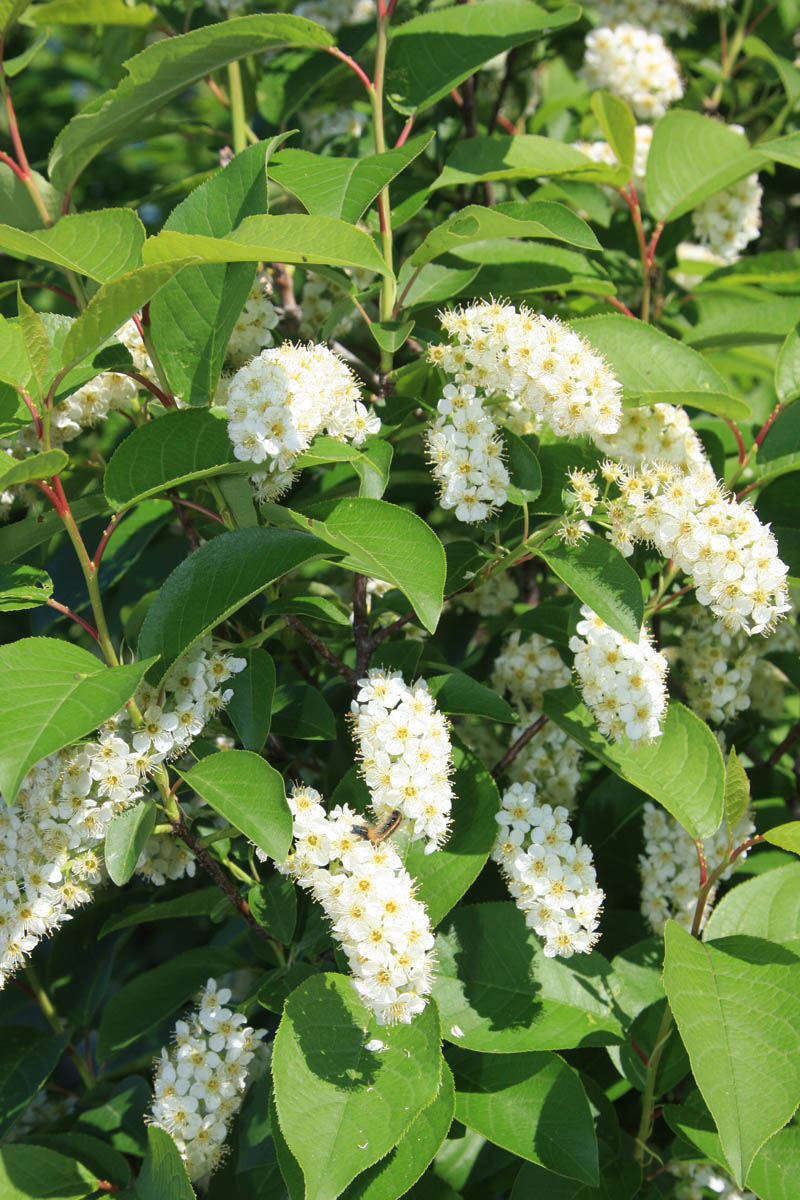
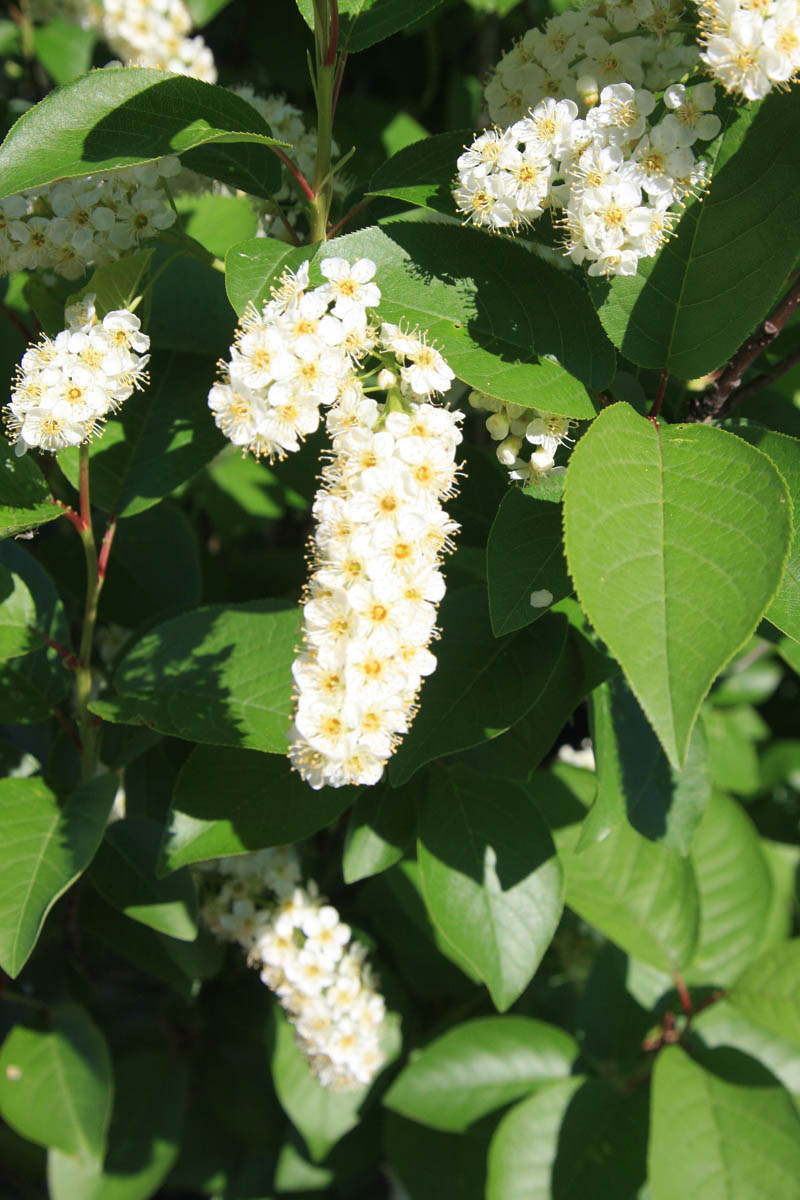
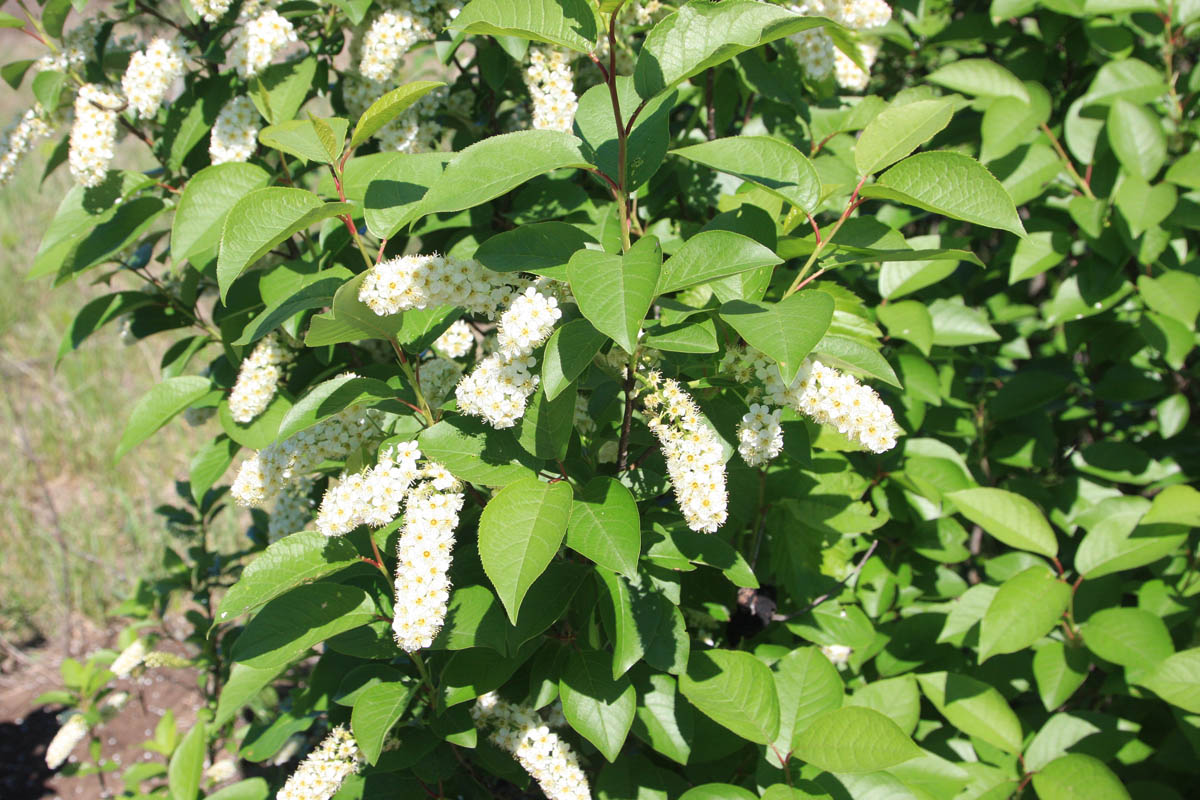
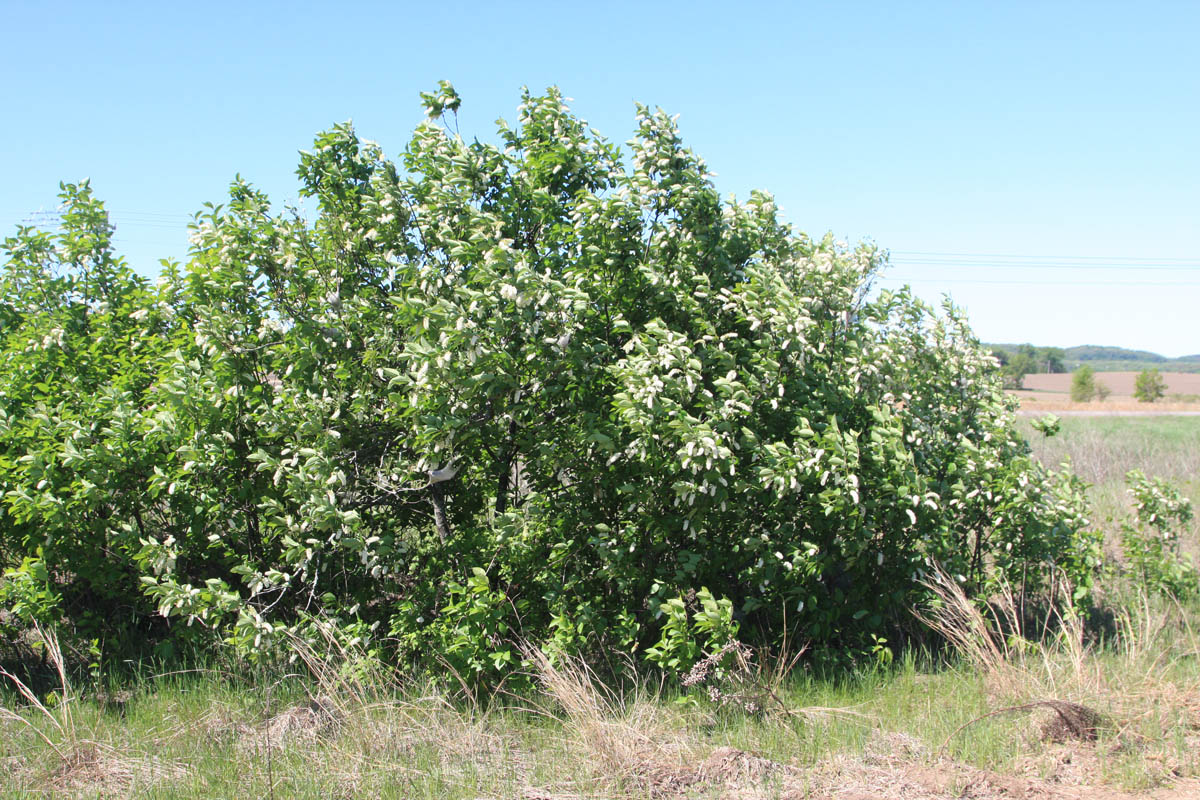
A perennial that can be a woody shrub or small tree. Leaves are dark green and glossy above and paler beneath, alternate, and oval in shape, with a serrated edge. Bark varies from gray to a reddish brown when young, to darker brownish-black and furrowed when old.
Dakota Cultural Use
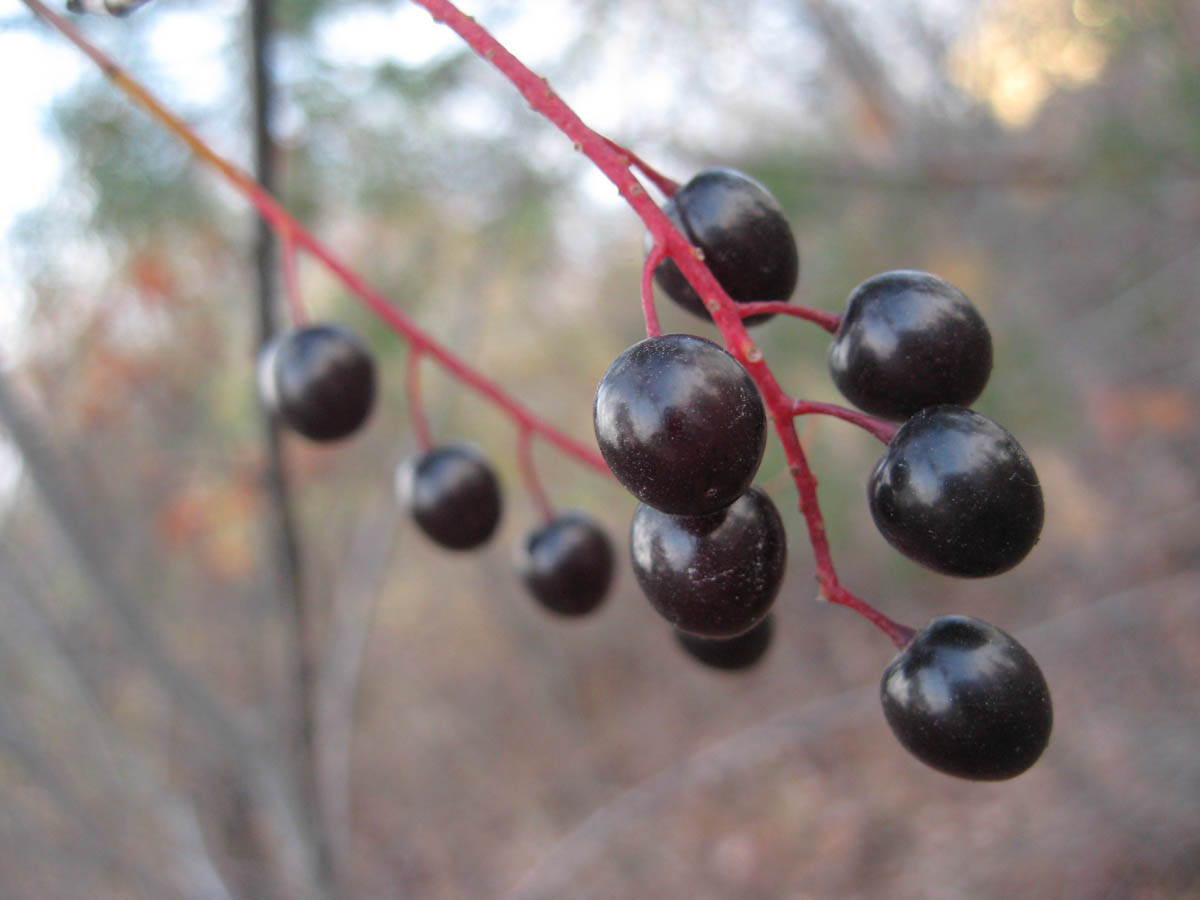
Fruit is highly esteemed for food by all tribes and is connected with many ceremonies and rituals, as well as stories, songs, and myths. It is so highly esteemed as to give the name to one of the months in the Dakota calendar, Canpasapa-wi, the-month-when-cherries-are-ripe” (literally, “black-cherrymoon”). The fruit was eaten with much relish while fresh and was dried for winter use. The gathering and drying of the fruit made a busy time for the community. The people traveled for miles to the streams along which the cherries were abundant. There they went into camp and worked at preparing the cherries while they lasted, or until as great a quantity as was required could be made ready.
A favorite preparation of the Dakota using the chokecherry was wasna, a pemmican (a survival/superfood in the form of dried cherry patties) or mincemeat using the dried fruit. Since the pits were too small to be removed by any practicable method, the cherries were pounded to a pulp, pits and all, on stone mortars, and after being shaped into small cakes, were laid out to dry in the sun. Water would later be added to the patty when ready to use to make it into a paste again. The paste was commonly used to make a pudding called wožapi. The leaves were used in tea for the sun dancers, who would also suck on small stems when thirsty. The time of the Sun dance was determined by the ripening of the cherries. It began on the first day of the full moon when cherries were ripe.