General Details
Plant Characteristics
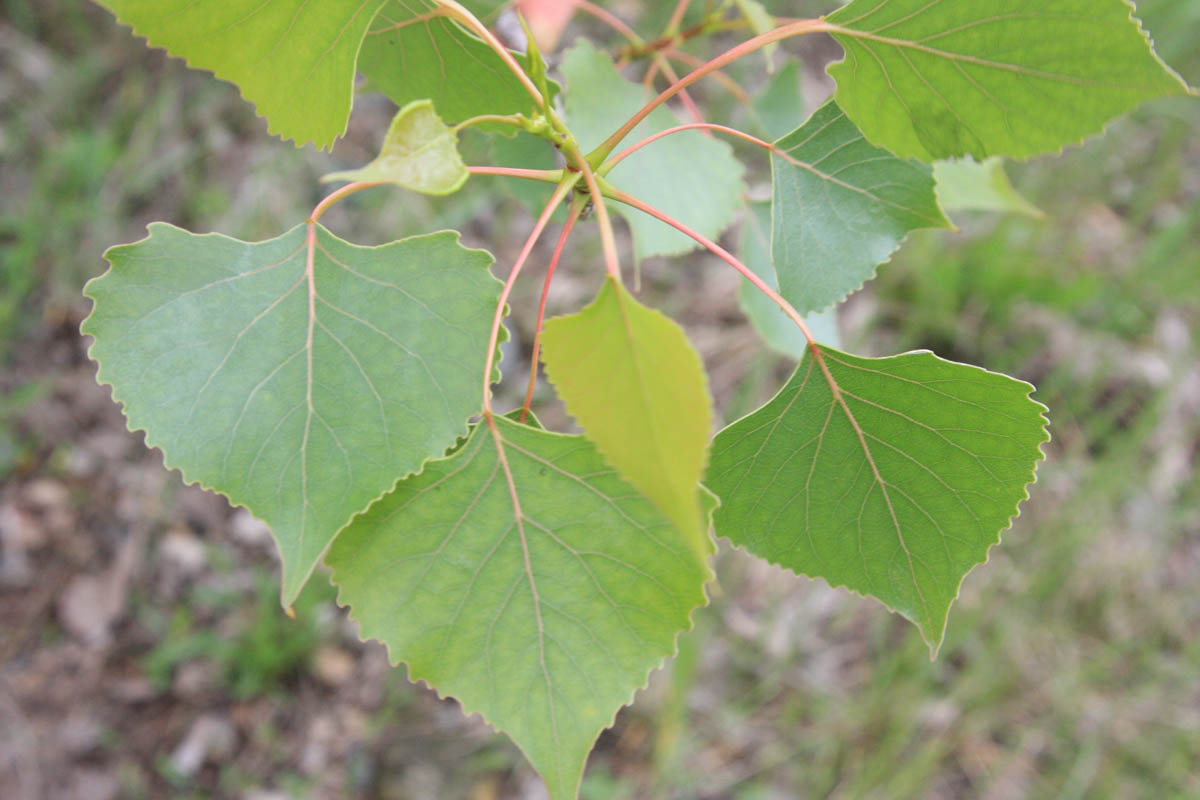
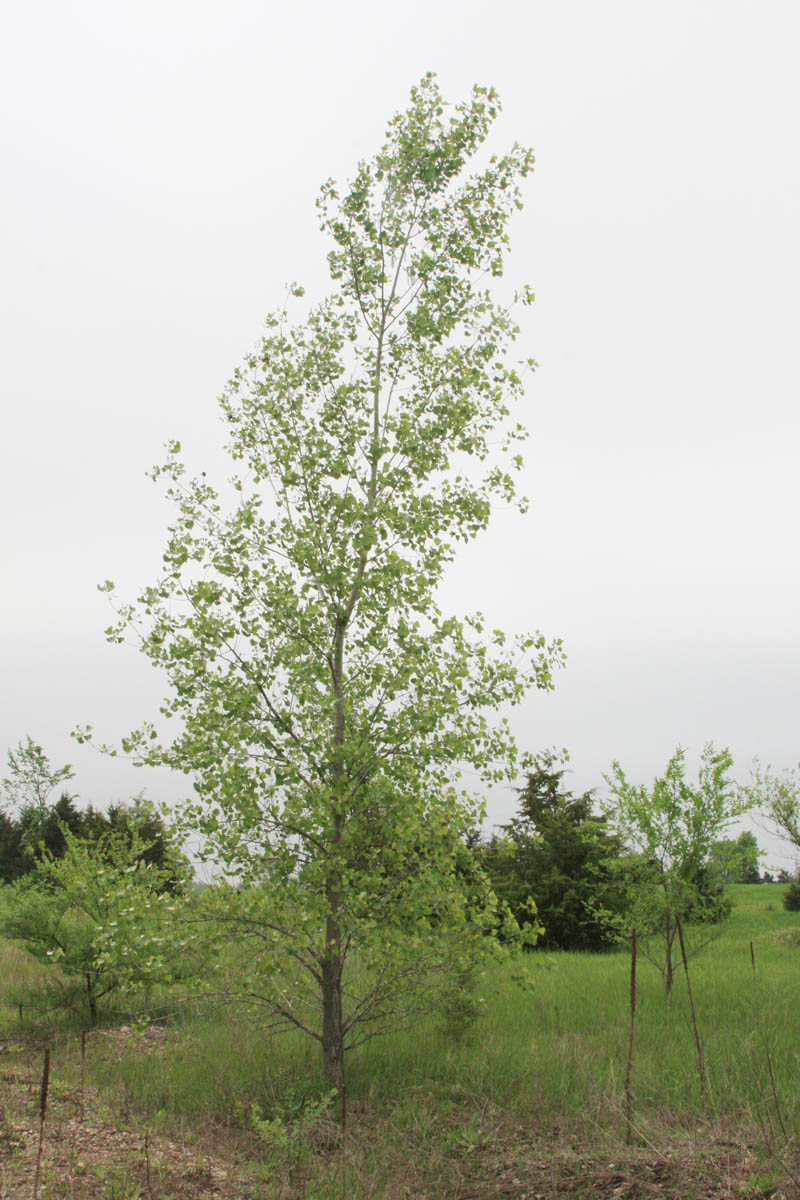
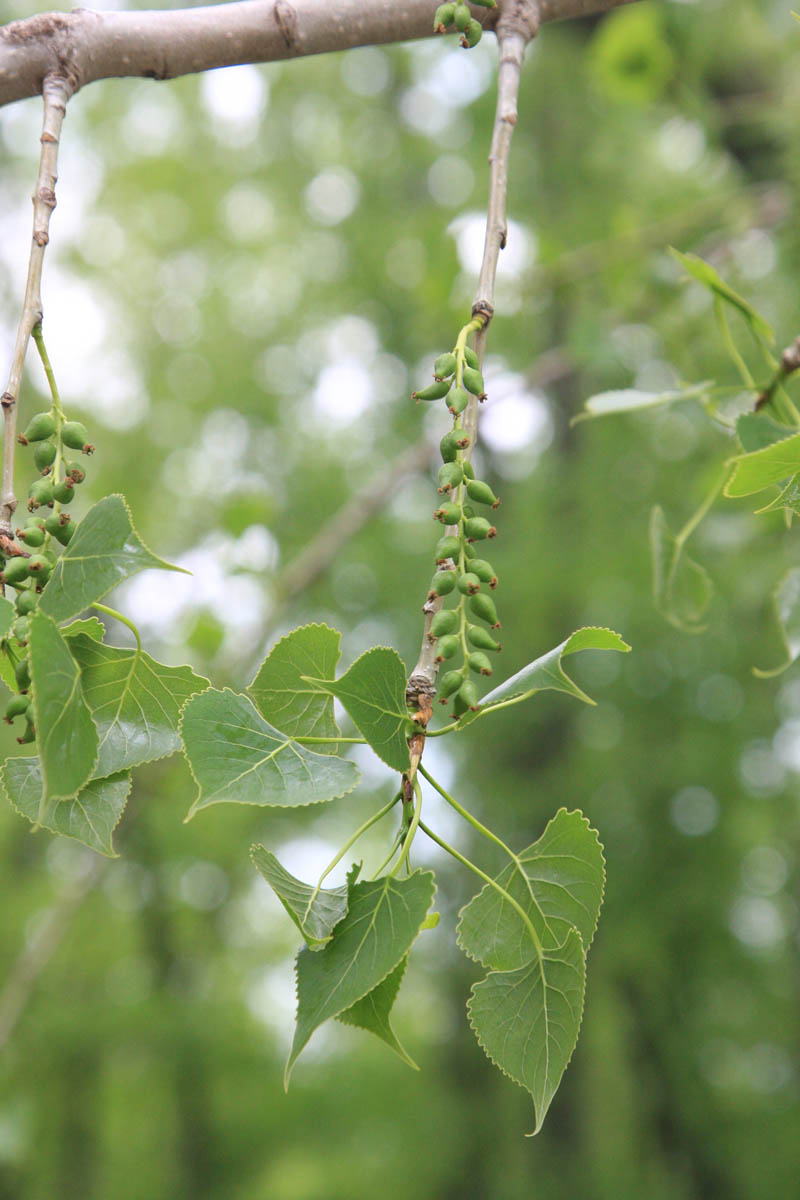
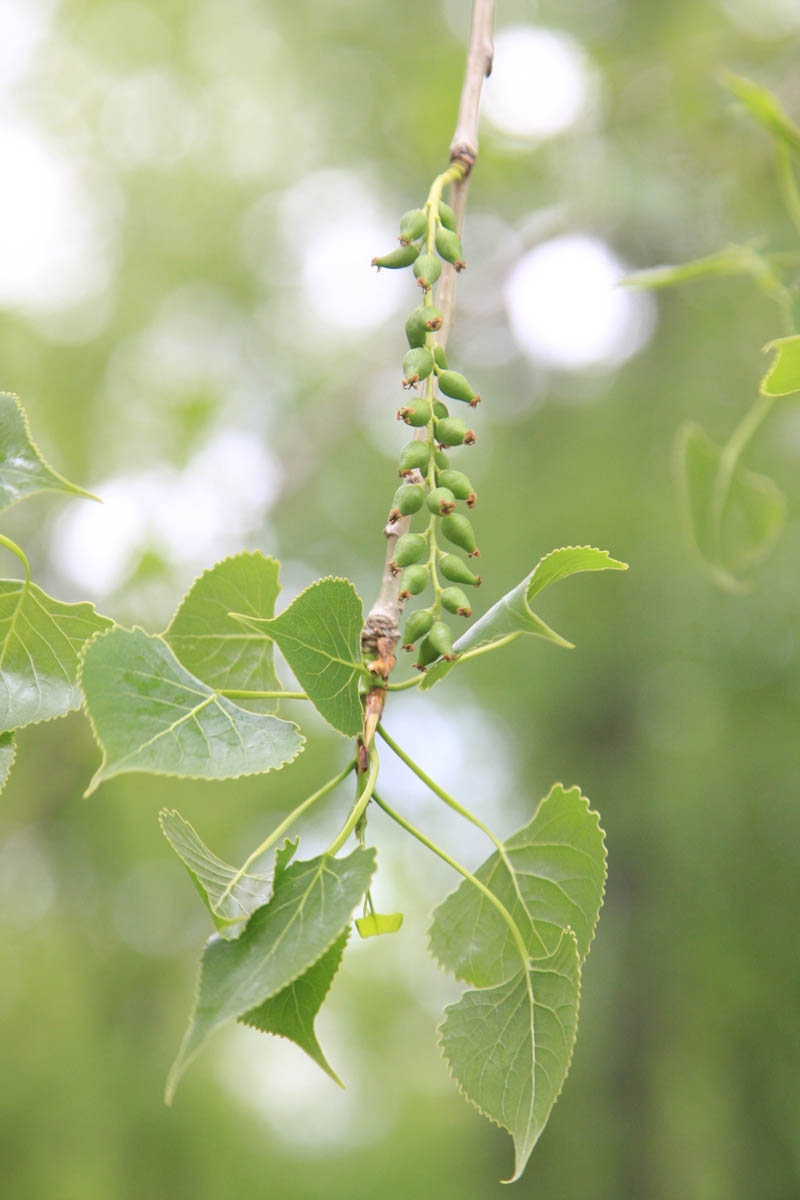
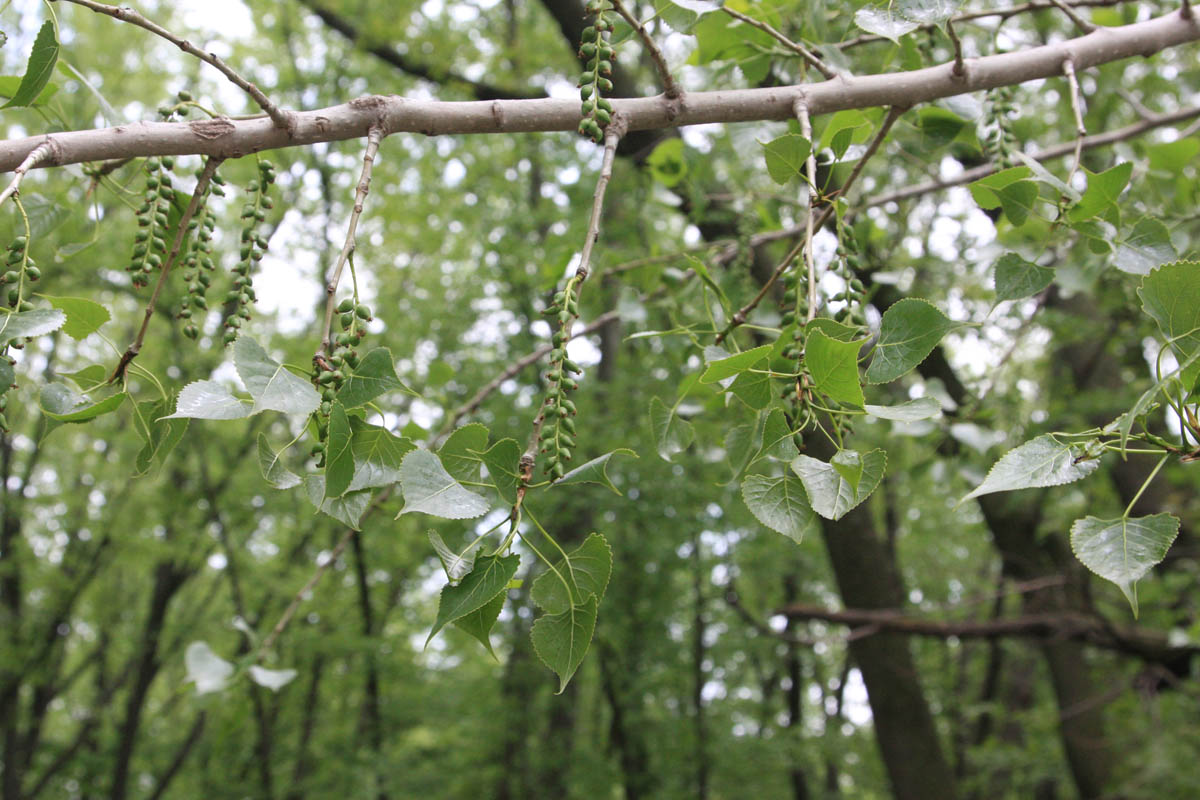
This fast-growing tree can reach 3-4 feet in diameter, but is relatively short-lived, seldom surviving for more than 80 years. Leaves are broadly triangular, ovate in outline, 3-5 inches long
and nearly as wide. They are dark green, lustrous above, and paler and smooth beneath. The bark of younger trees is rather smooth and greenish-gray, becoming ashy-gray on older trees
with roughened, deep, longitudinal and interconnecting furrows.
Dakota Cultural Use
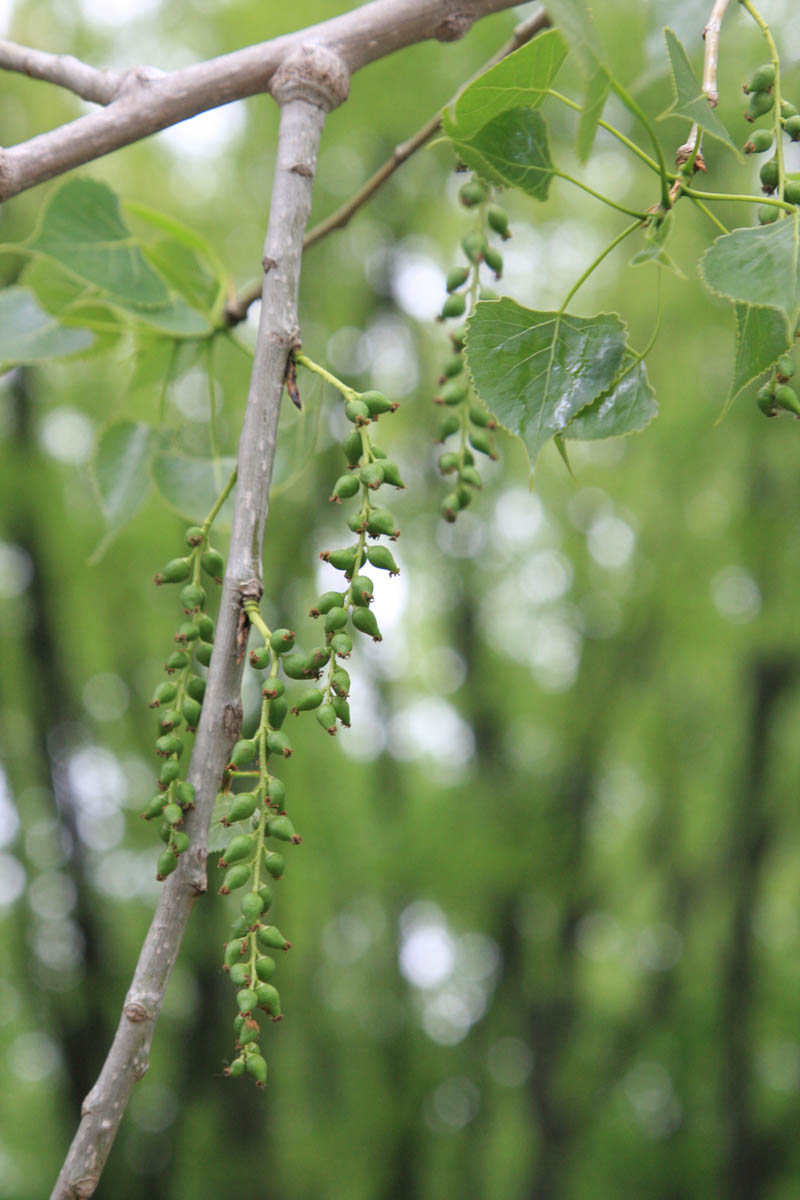
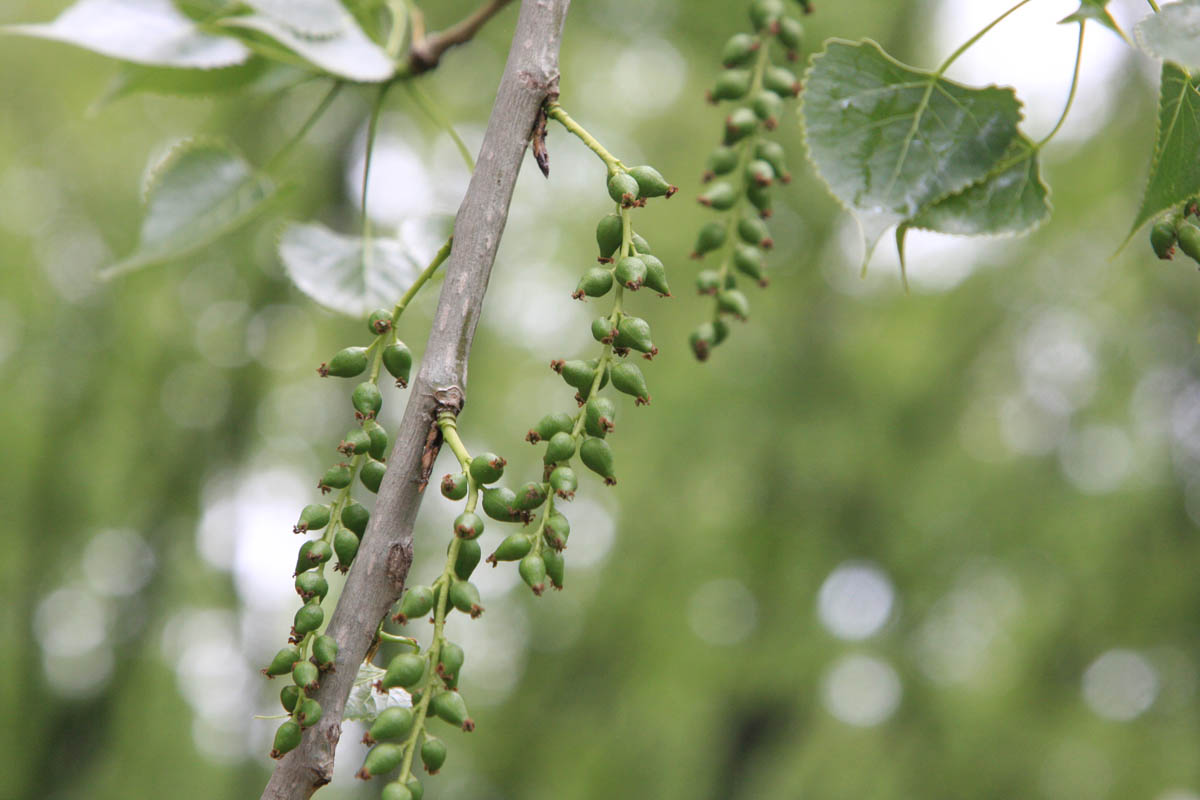
The Dakota peeled the young sprouts and ate the inner bark because of its pleasant, sweet taste and nutritive value. Young cottonwood branches and upper branches of older trees were provided as forage for their horses and were said to be as “good for them as oats.” Mention has been made of the use of cottonwood leaves by little girls in making toy tipis. They were also used to make toy moccasins. Girls and young women made another pleasing use of the cotton-wood leaf. The tip of the leaf was put between the lips and the sides pressed against the nostrils with the thumb and index finger in such a way that one nostril was quite closed and the other partly so. Then the breath was expelled through the partly closed nostril, vibrating on the leaf in such a way that very sweet musical notes were produced, bird-like or flute-like in quality. The effect is most pleasing to the ear. The green, unopened fruits of cottonwood were used by children as beads and ear pendants in play.