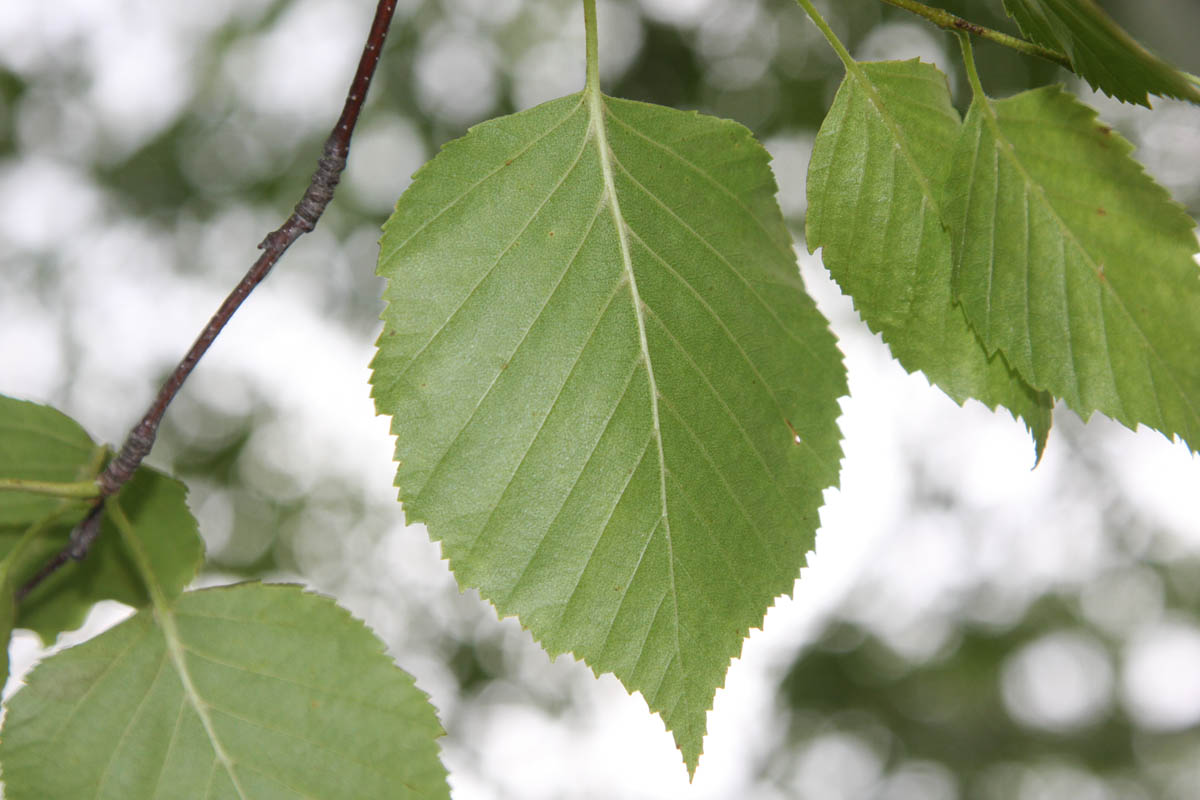
General Details
Dakota Name:
Taƞpa caƞ
Scientific Name:
Betula papyrifera
Alternate Names:
White birch, paperbark birch, silver birch, canoe birch
Height:
Grows 60 - 90 feet
Flowers:
Male spike-like, loose-hanging clusters develop in fall and open in spring. Female clusters are bright red, upright and ascend.
Fruit:
A winged nut-like seed, 1/8 to 1/4 inch long with hairy, 3-lobed scale, released fall and winter.
Habitat:
Upland forests. Prefers part-shade, but can tolerate full sun.
Plant Characteristics
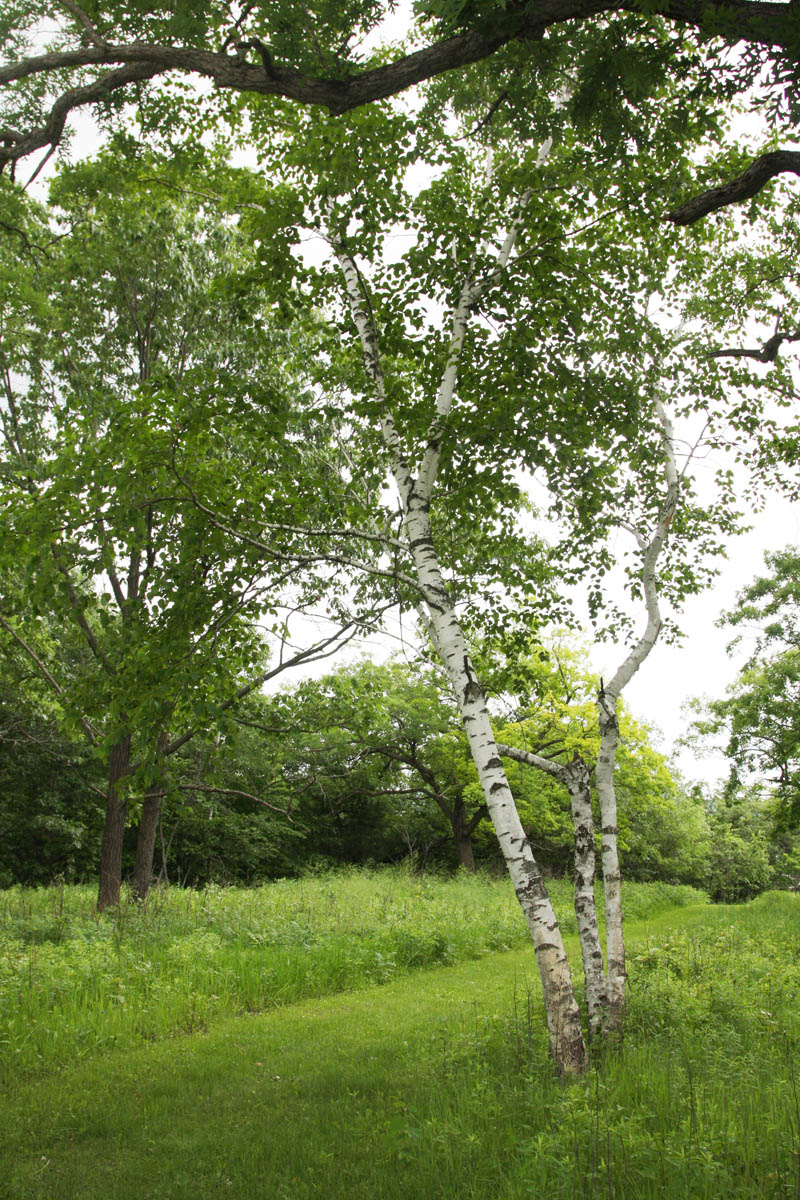
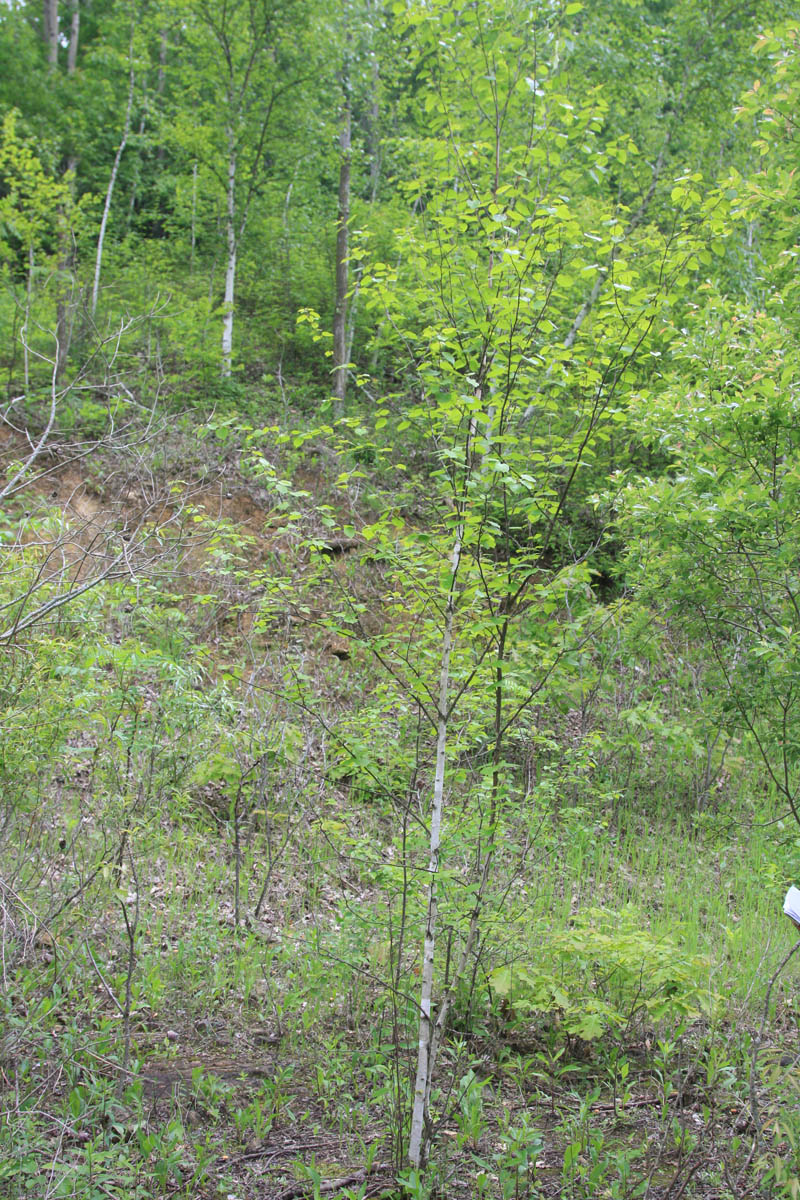
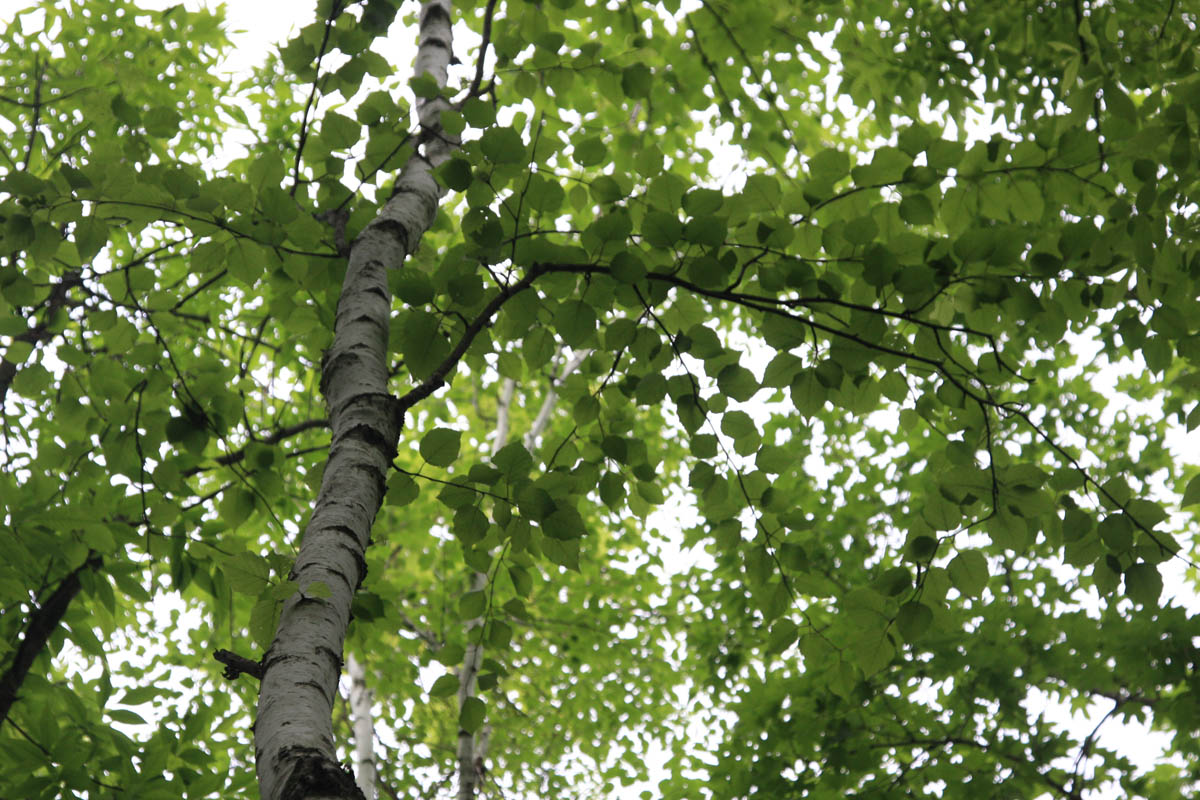
A deciduous, small to medium sized native tree with alternately attached leaves that are oval or triangular. The flowers are male and female, growing separately on the same tree in clusters
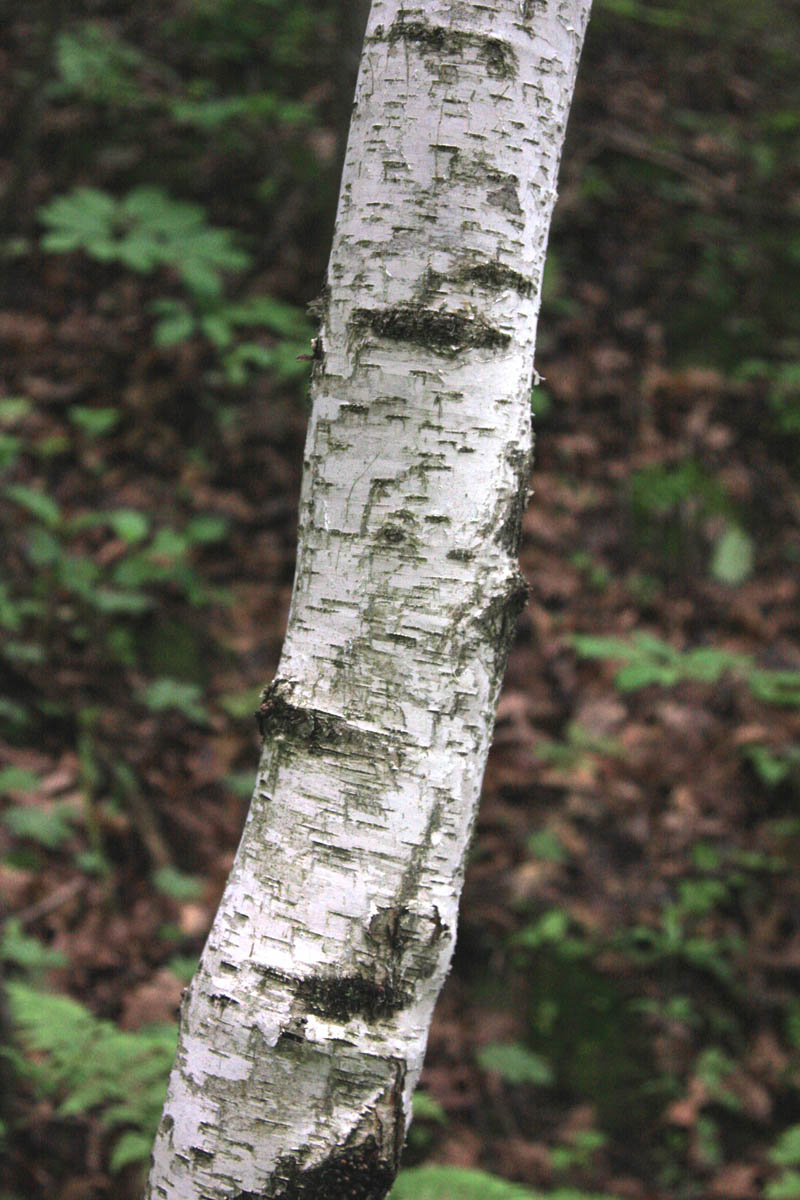
called catkins. The fruits are mature seed catkins. The bark is thin, smooth, dark red to almost black on young stems, becoming reddish-brown and then bright creamy white.
Dakota Cultural Use
Known as “birch tree,” the bark, shredded fine, was bound in bundles for torches. It was used also as material for vessels to catch the sap from the trees in sugar-making-time, and for various household utensils.