General Details
Plant Characteristics
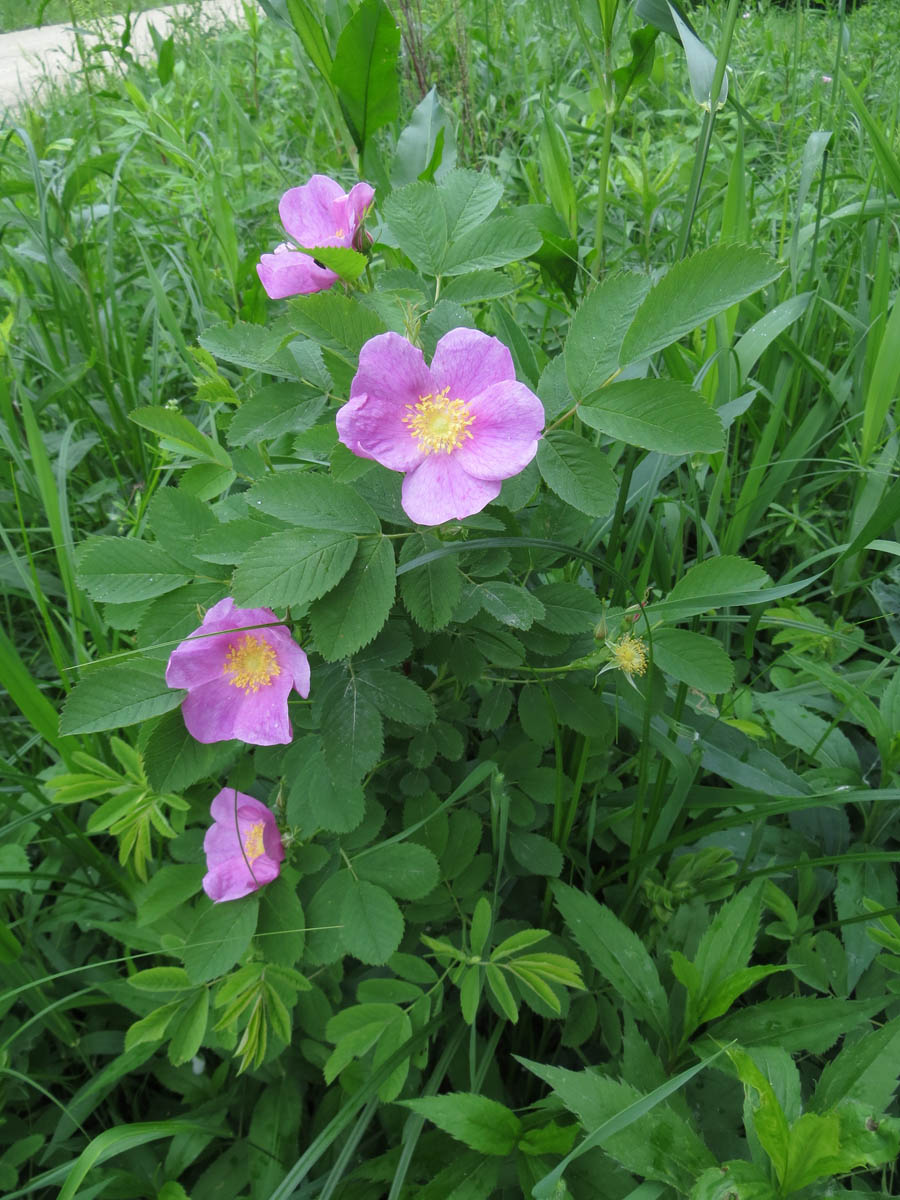
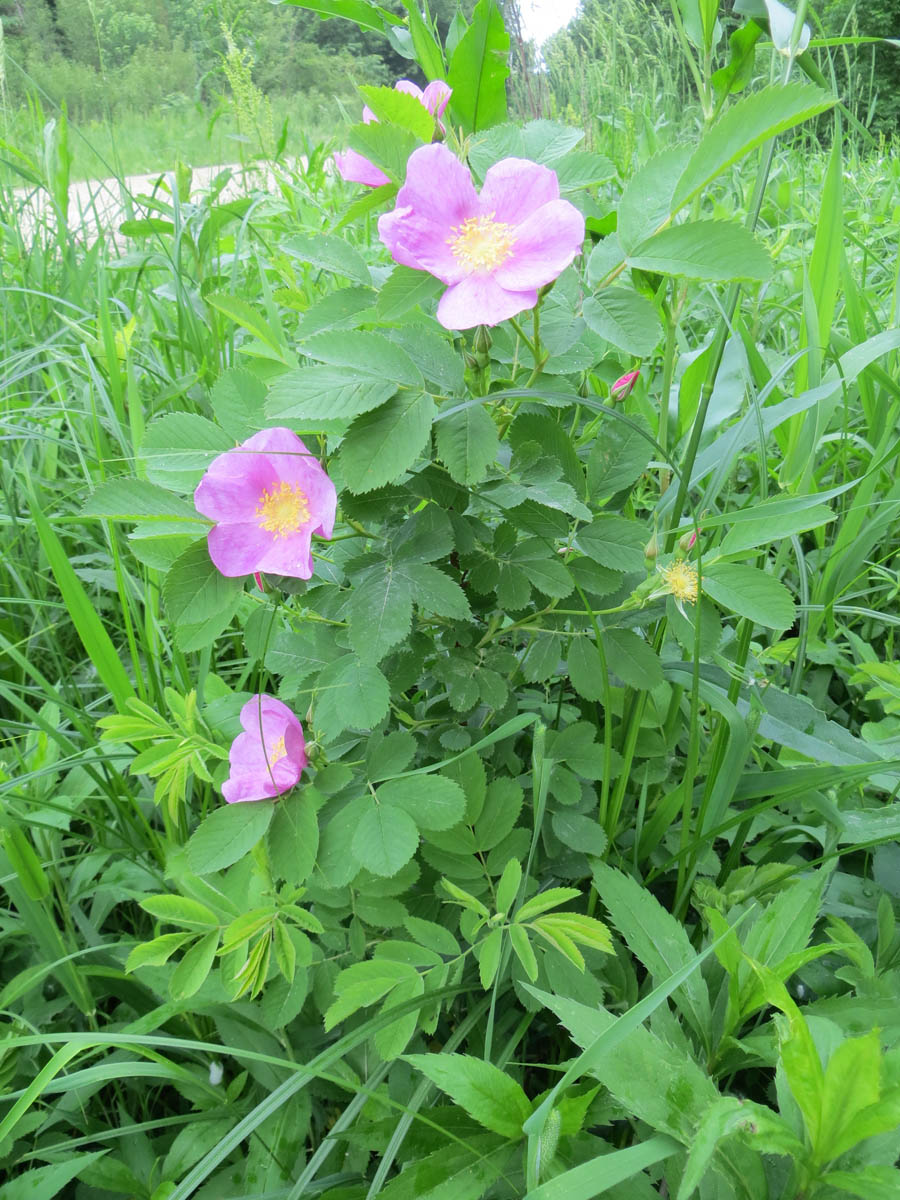
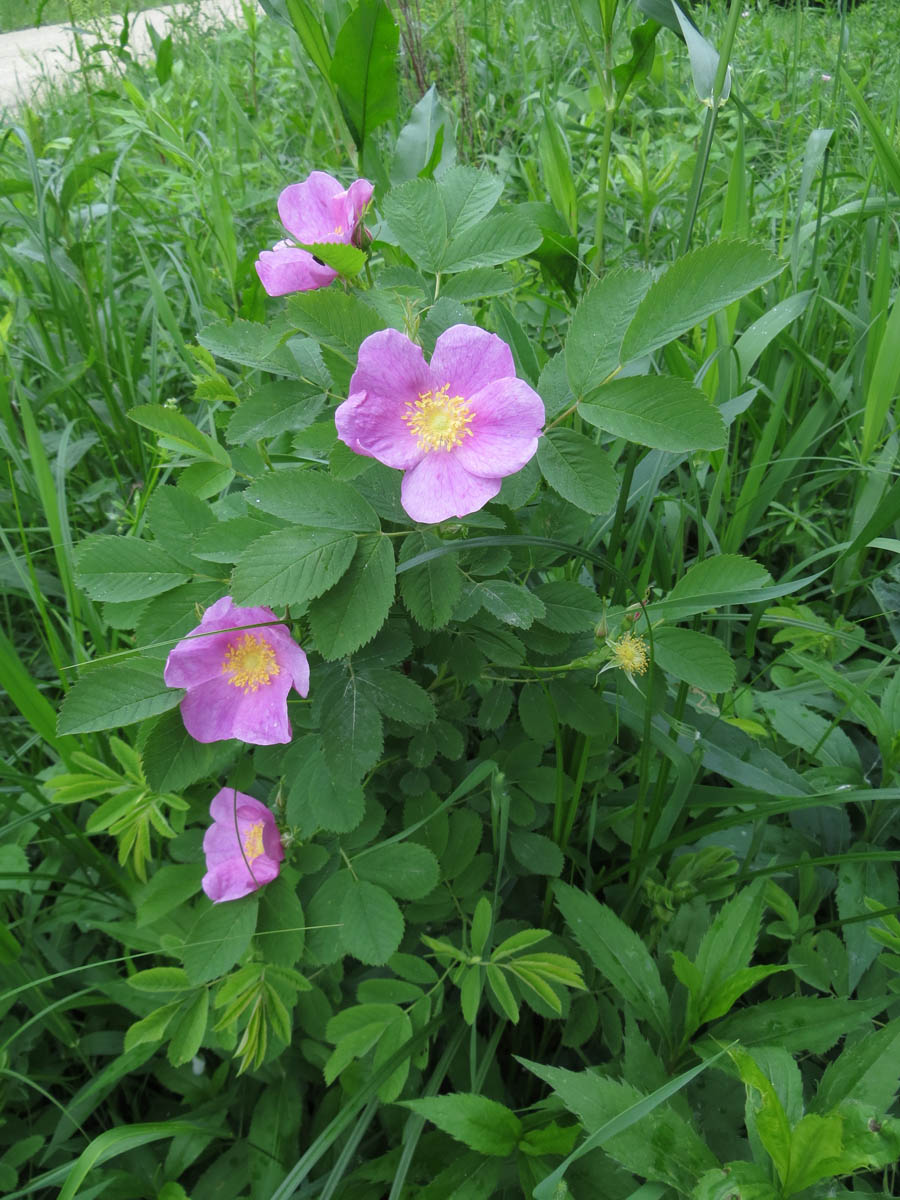
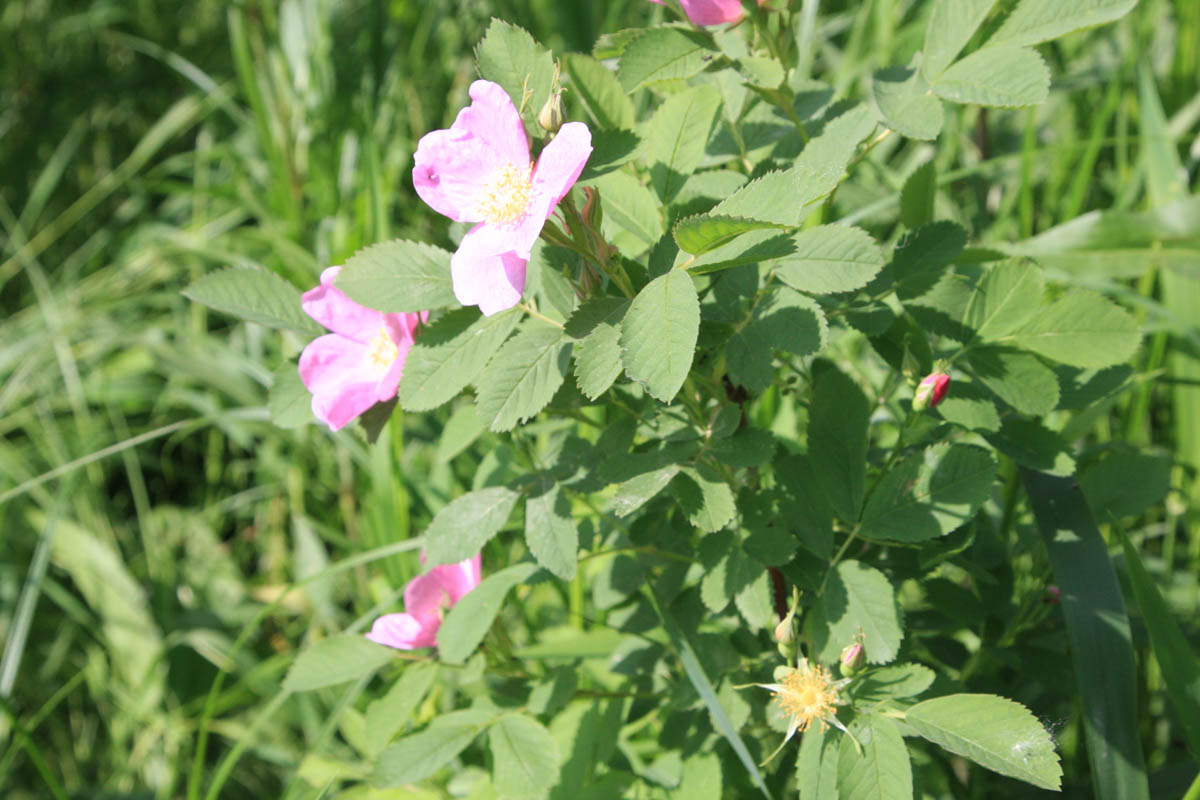
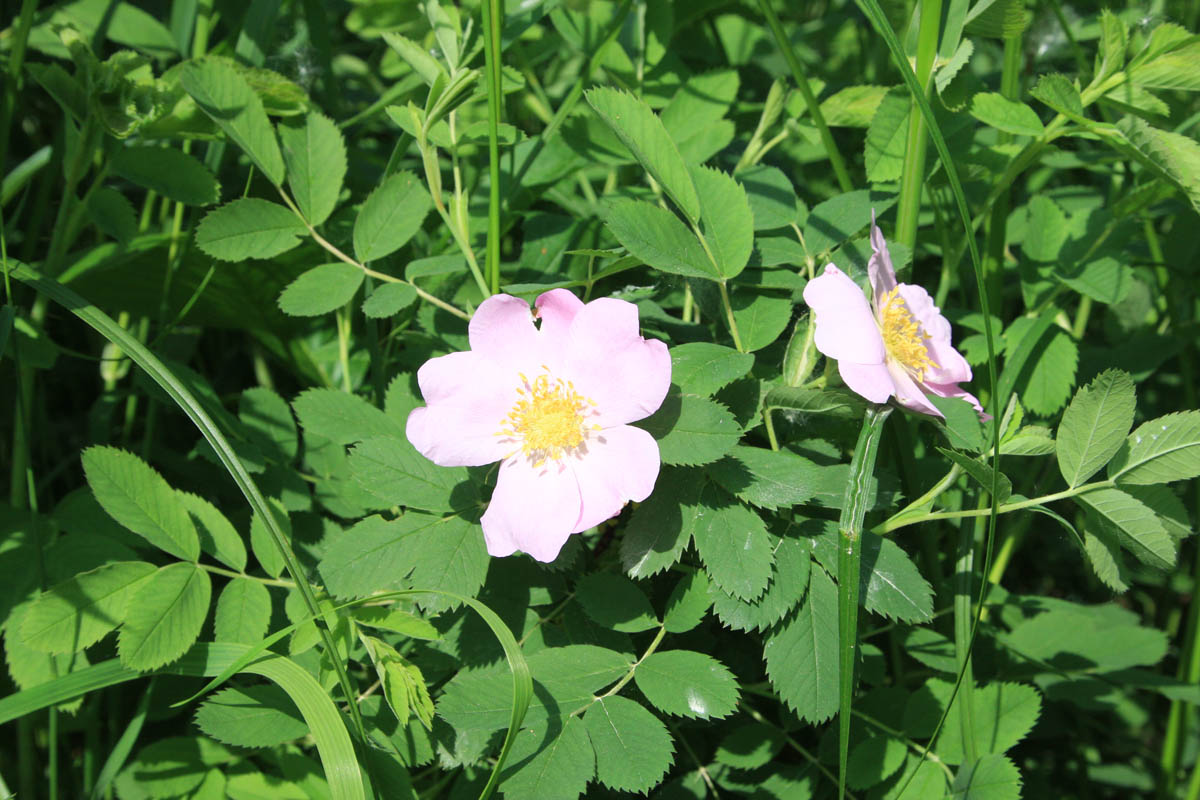
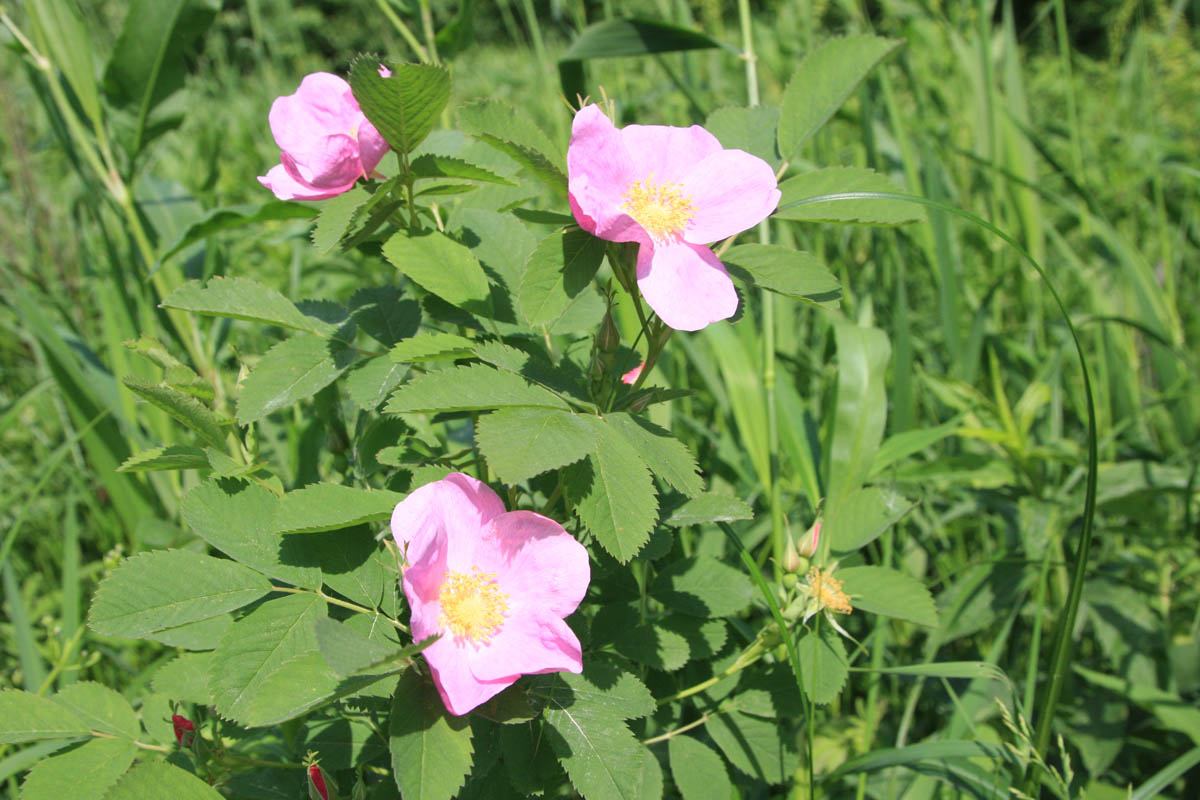
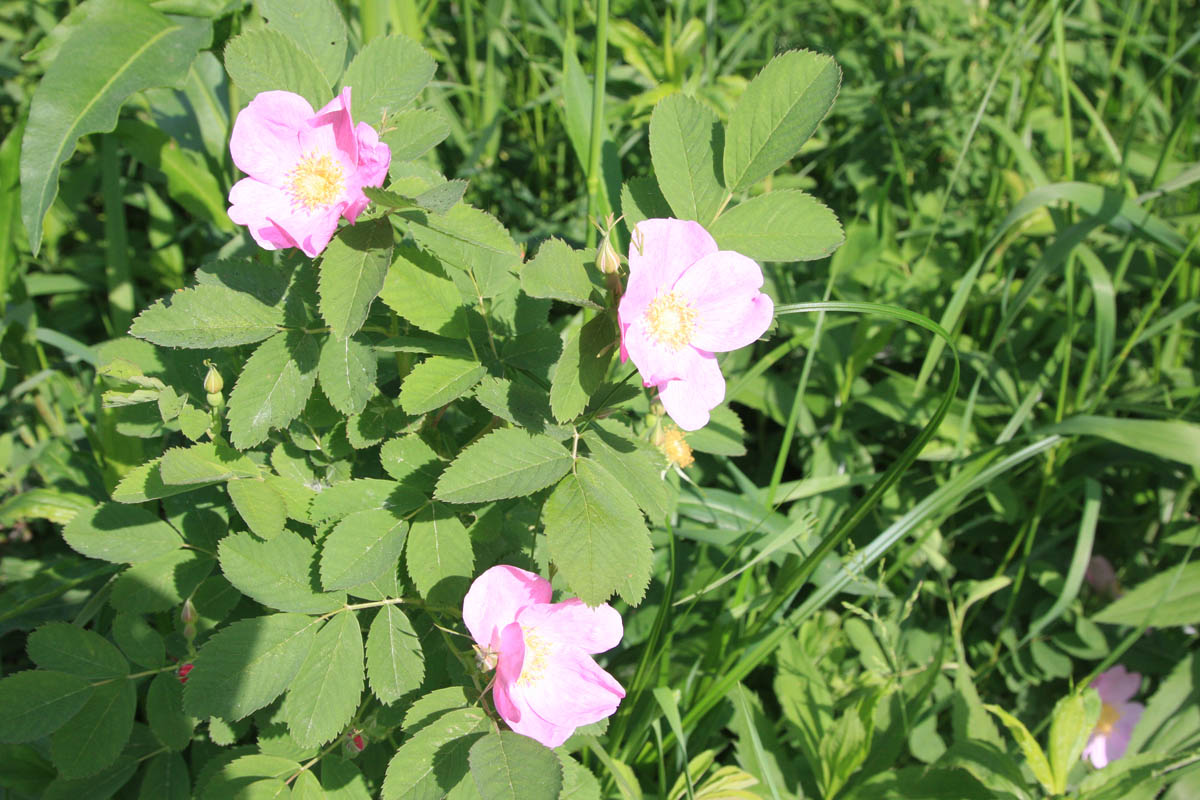
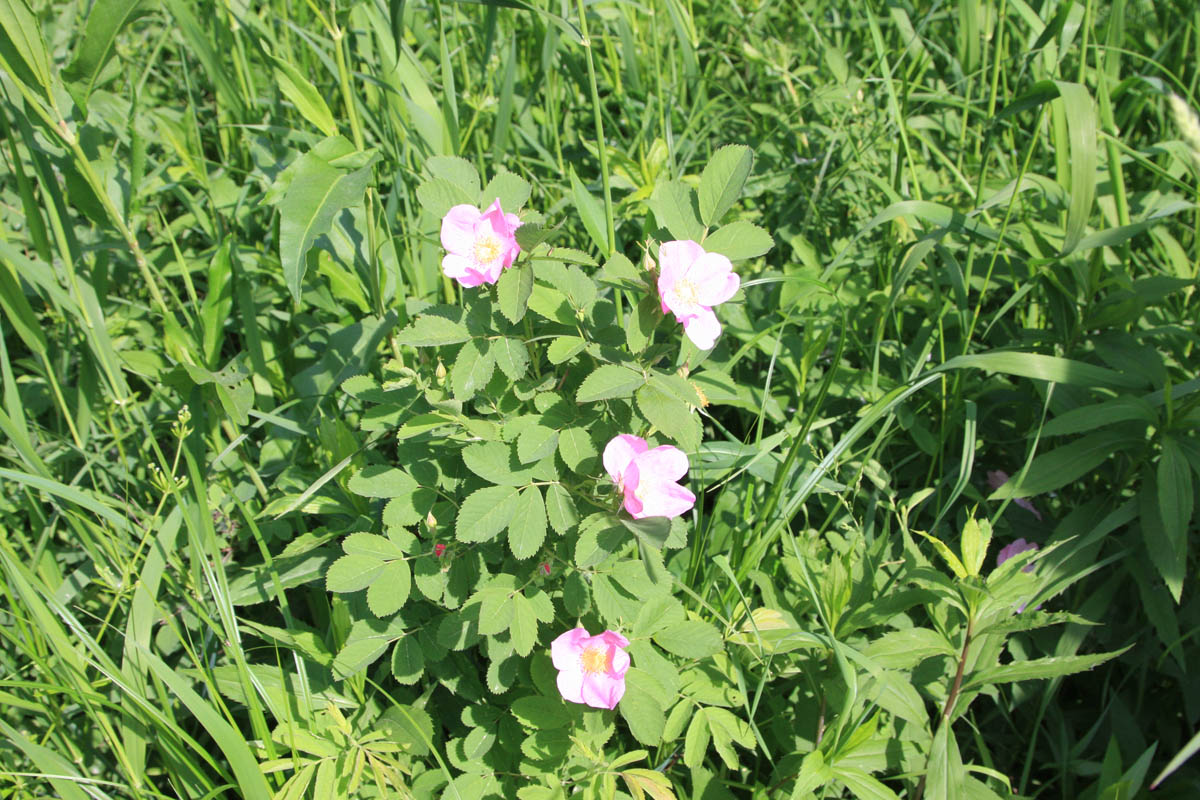
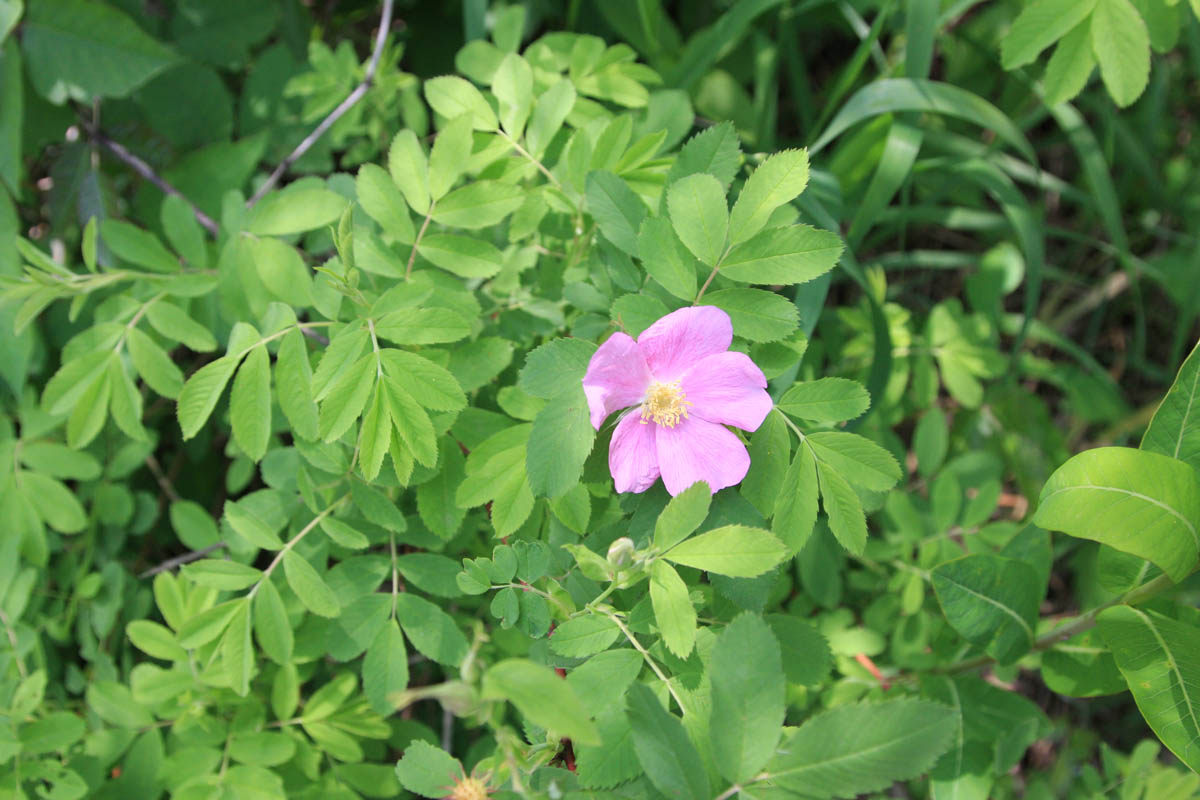
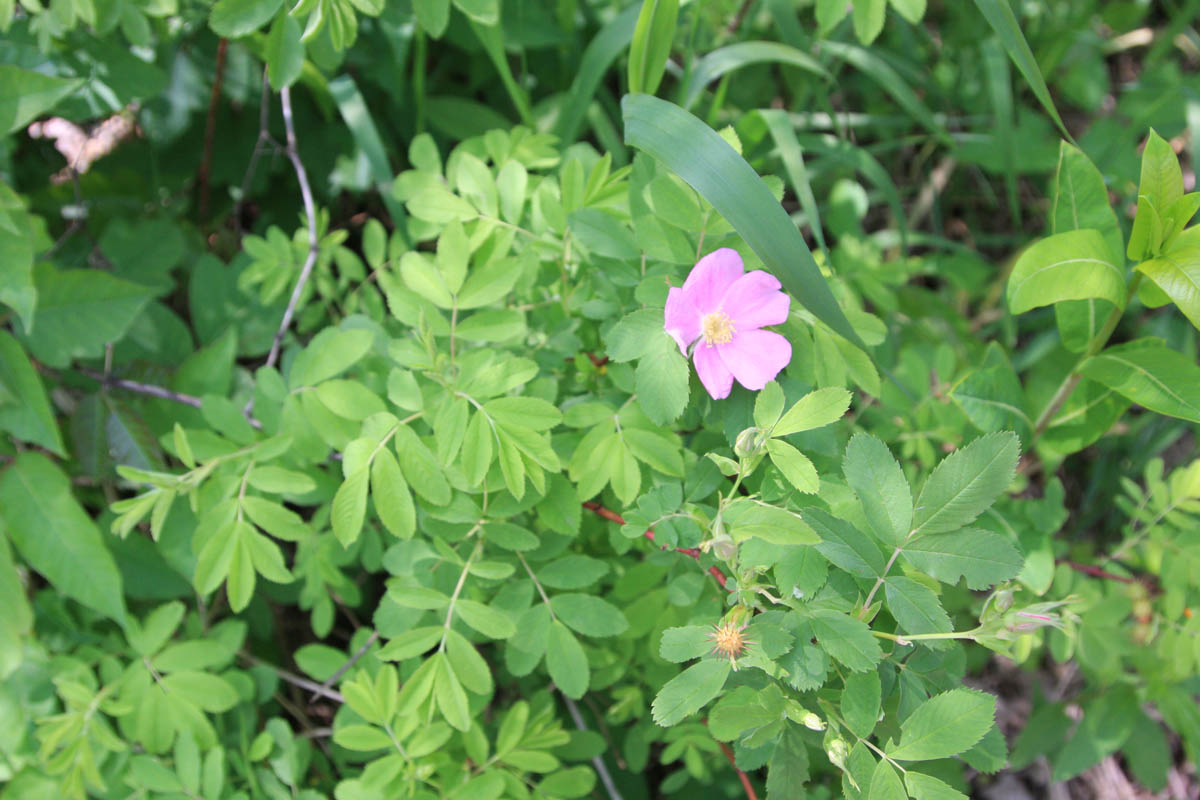
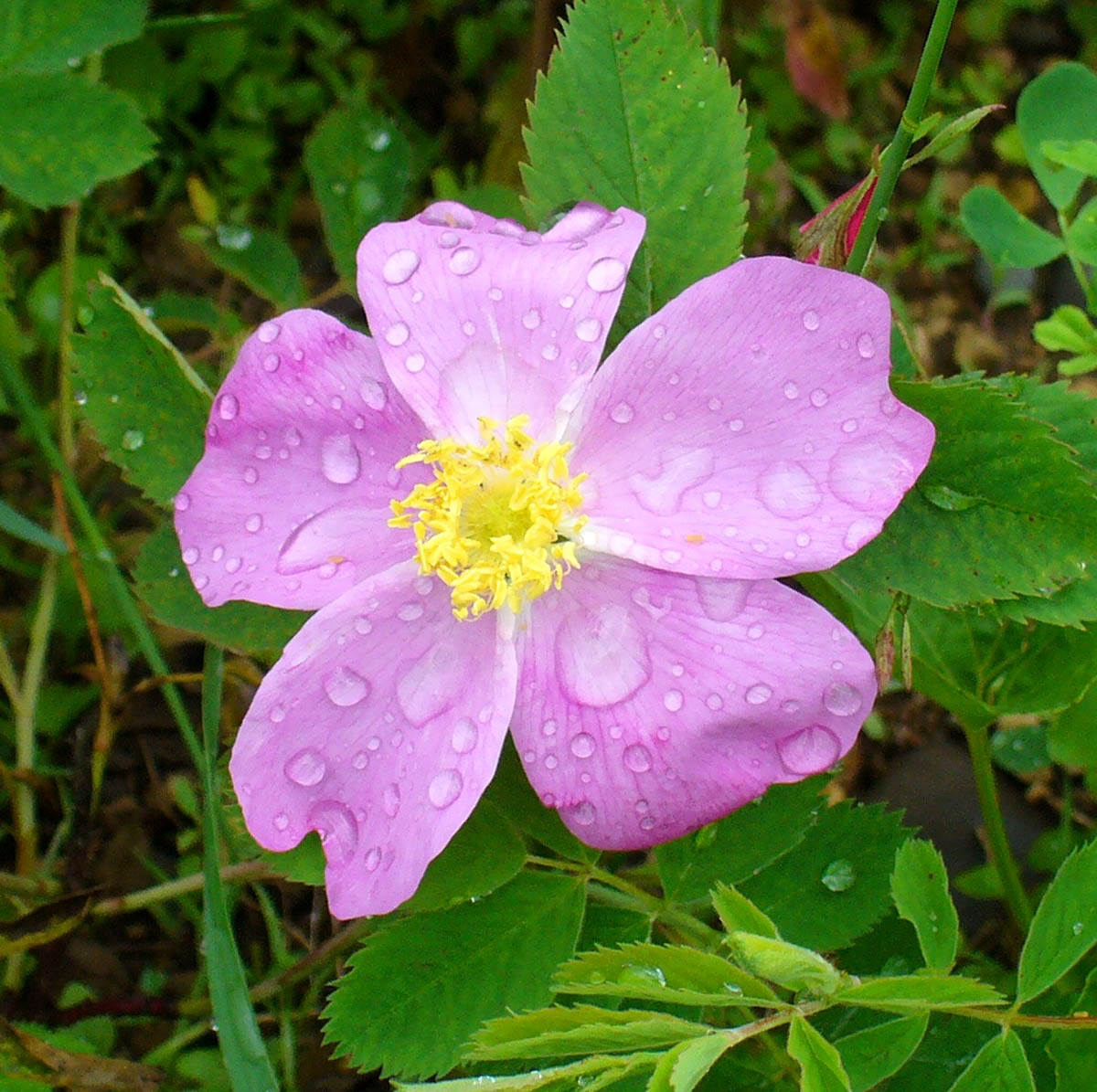
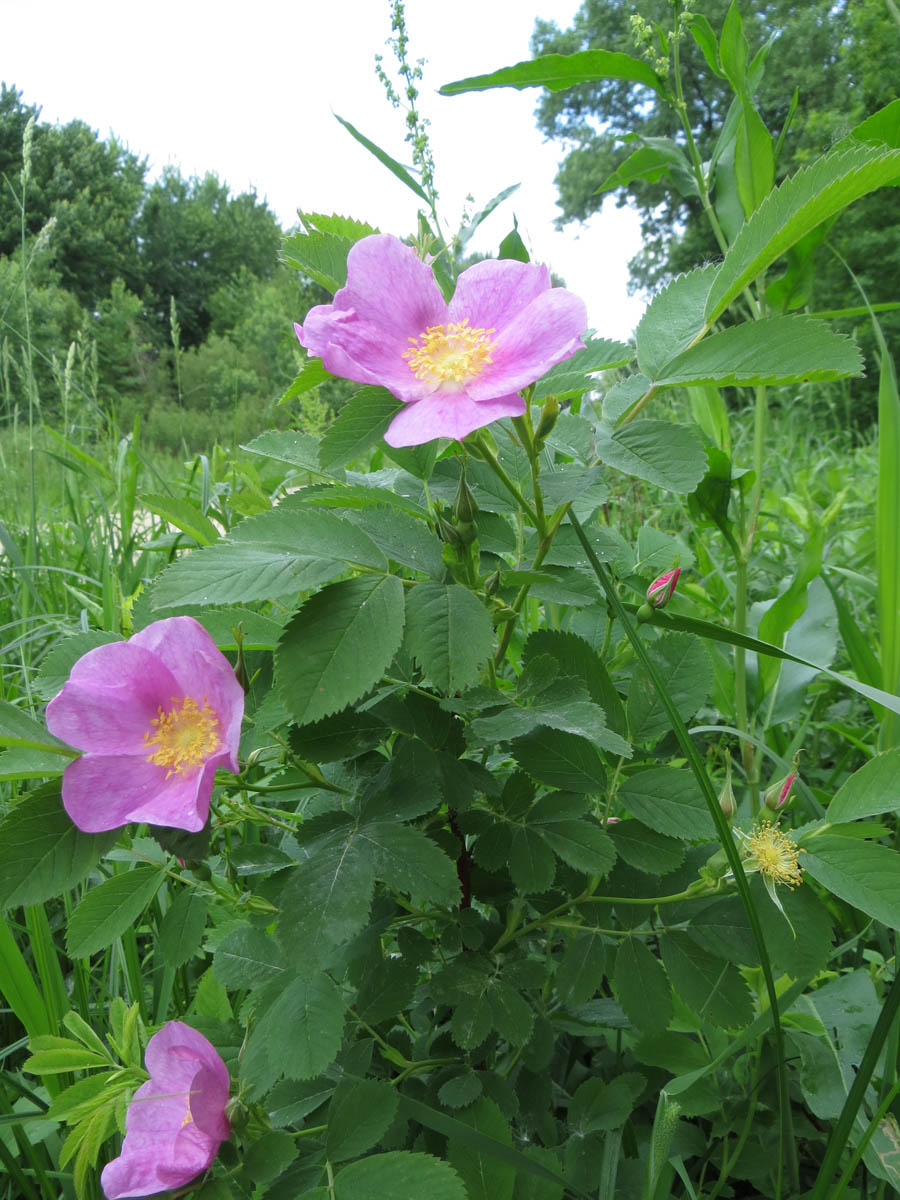
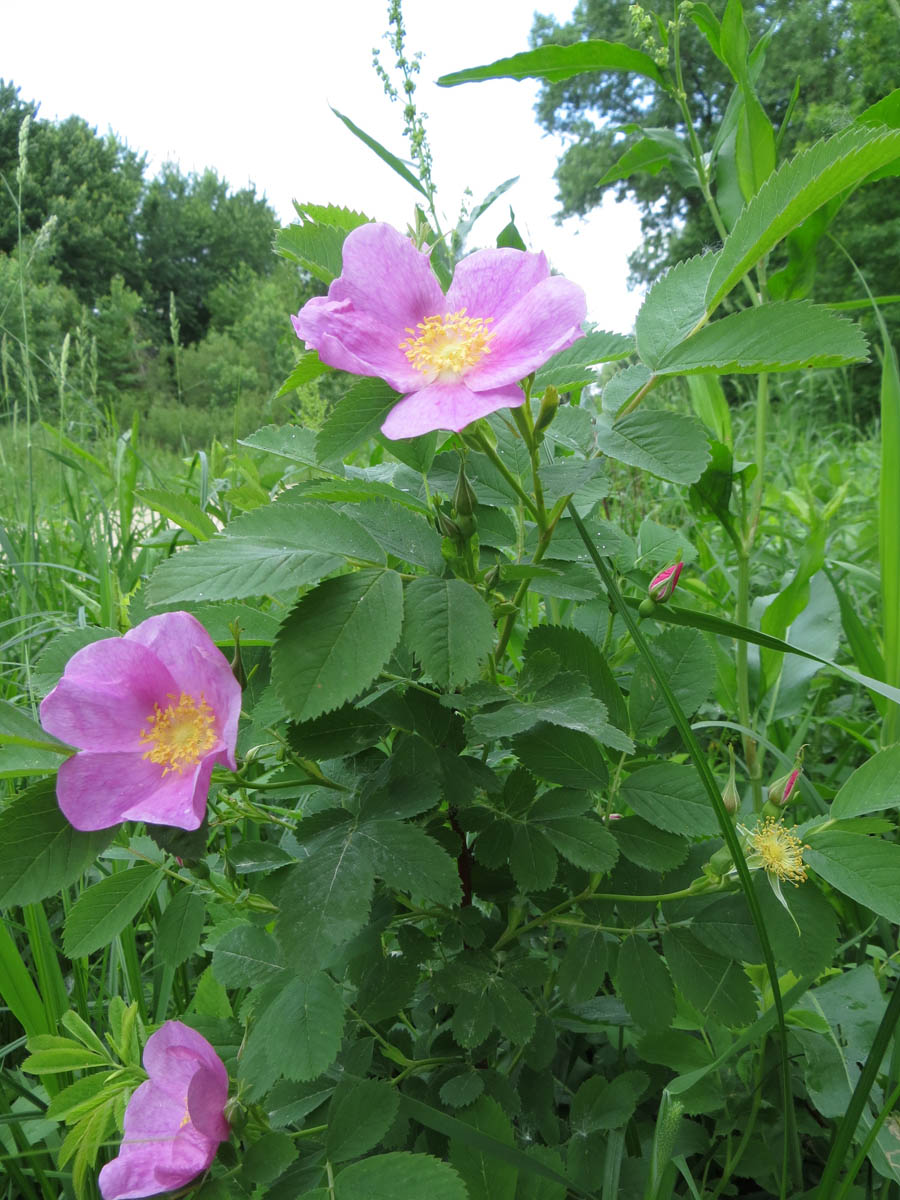
Growing as shrubs, this plant has prickly stems. The leaves are alternate on the branch and are divided into 3-11 leaflets.
Dakota Cultural Use
Also known as “rosebush,” the fruits of this plant were sometimes eaten to tide over a period of food scarcity; eaten raw and cooked. It is said that the inner bark of the rosebush was sometimes used for smoking, either alone or mixed with tobacco. THE SONG OF THE WILD ROSE. The following is a translation into English out of the Dakota language of an old Dakota song. The Dakota think of the various plant and animal species as having each their own songs. With these people music—song—is an expression of the soul and not a mere artistic exercise. The earth was truly venerated and loved by these people, who considered themselves not as owners or potential owners of any part of the land, but as being owned by the land which gave them birth and which supplied their physical needs from her bounty and satisfied their love of the beautiful by the beauty of her face in the landscape. The trilled musical syllables at the close of the last two stanzas express the spontaneous joy which comes to a person who has “life-appreciation of Holy Earth,” The first stanza is an introduction by the narrator, not a part of the “Song of the Wild Rose.” The remaining stanzas are the song of the Wild Rose itself: I will tell you of something I know, And you can’t half Imagine how good; It’s the song of wild roses that grow In the land the Dakota-folk love. From the heart of the Mother we come, The kind Mother of Life and of All; And if ever you think she is dumb, You should know that flowers are her songs. And all creatures that live are her songs, And all creatures that die are her songs, And the winds blowing by are her songs, And she wants you to sing all her songs. Like the purple in Daydawn we come, And our hearts are so brimful of joy That whene’er we’re not singing we humTi-li-li-li-i, ta-la-la-loo, ta-la-la-loo! When a maiden is ready to wed Pin wild roses all over her dress, And a rose in the hair of her head; Put new moccasins onto her feet. Then the heart of the Mother will give Her the songs of her own heart to sing; And she’ll sing all the moons she may live, Ti-li-li-li-i, ta-la-la-loo, ta-la-la-loo!