General Details
Plant Characteristics
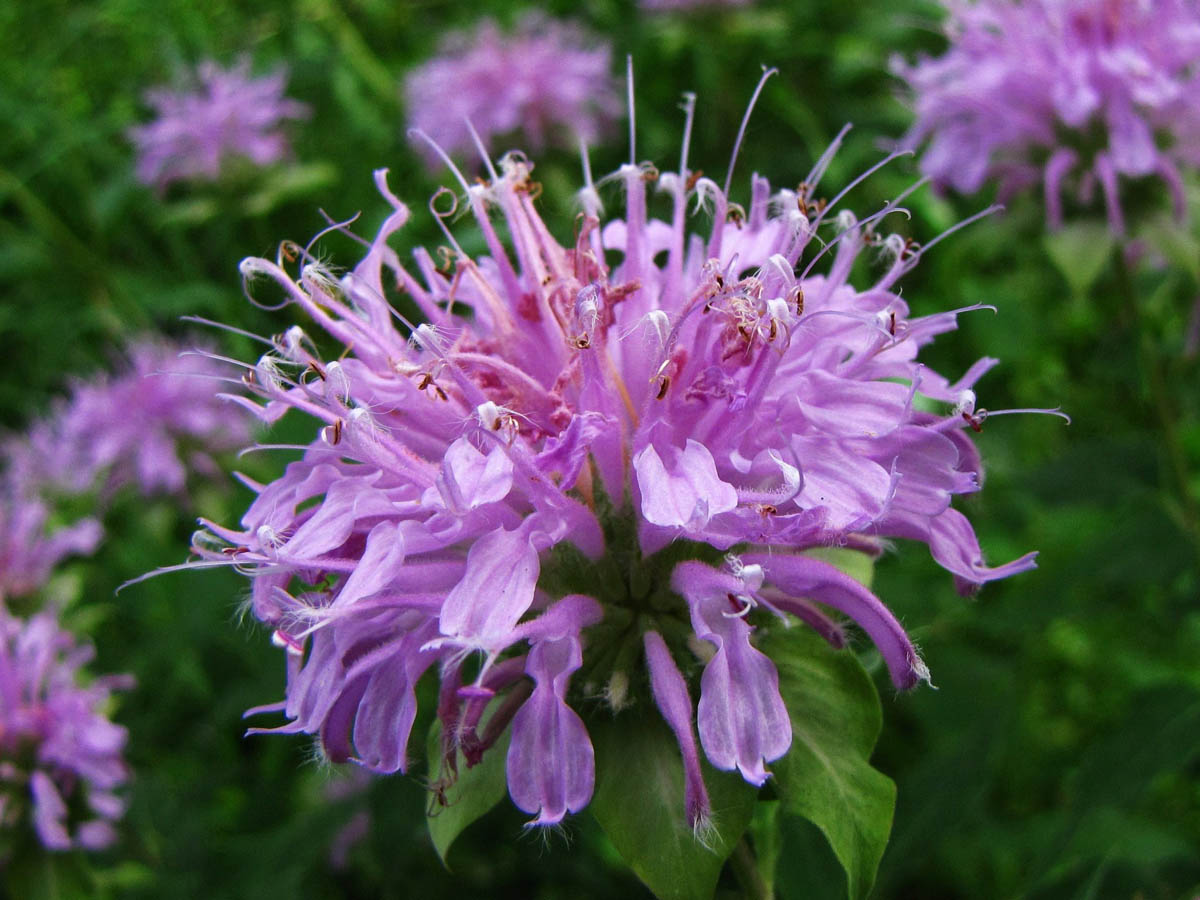
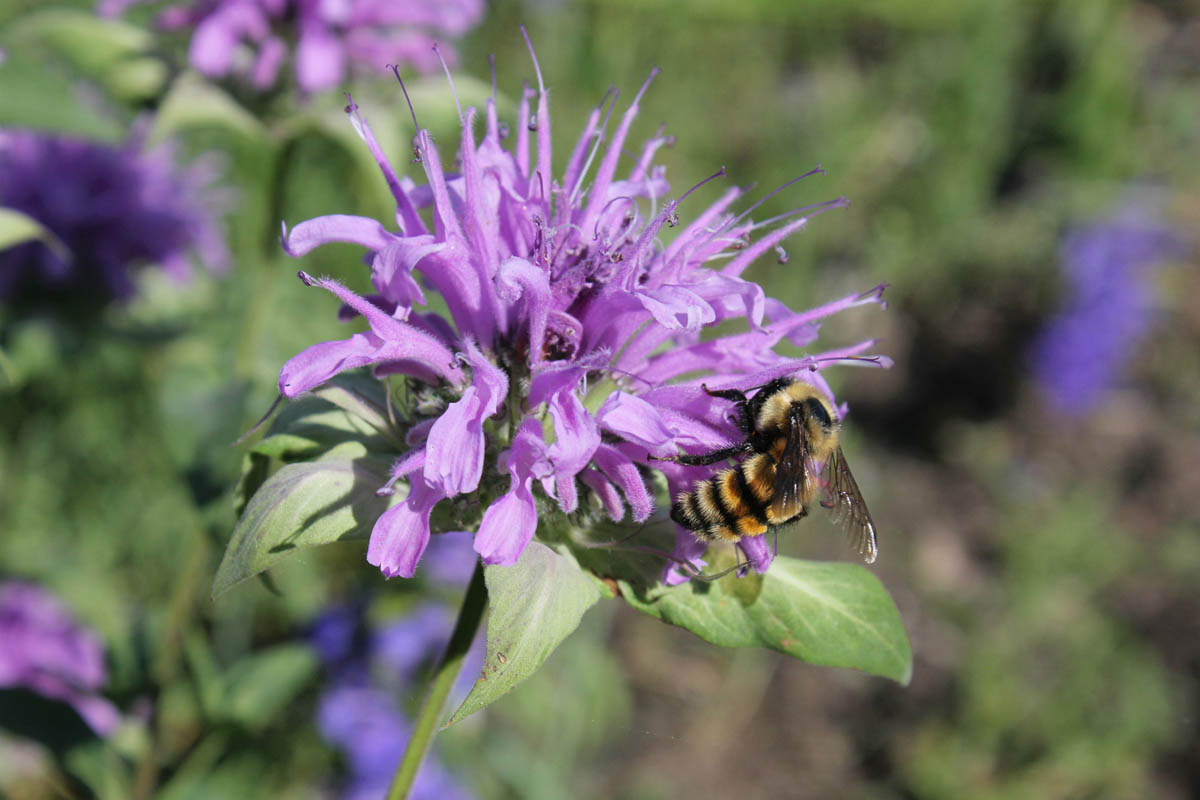
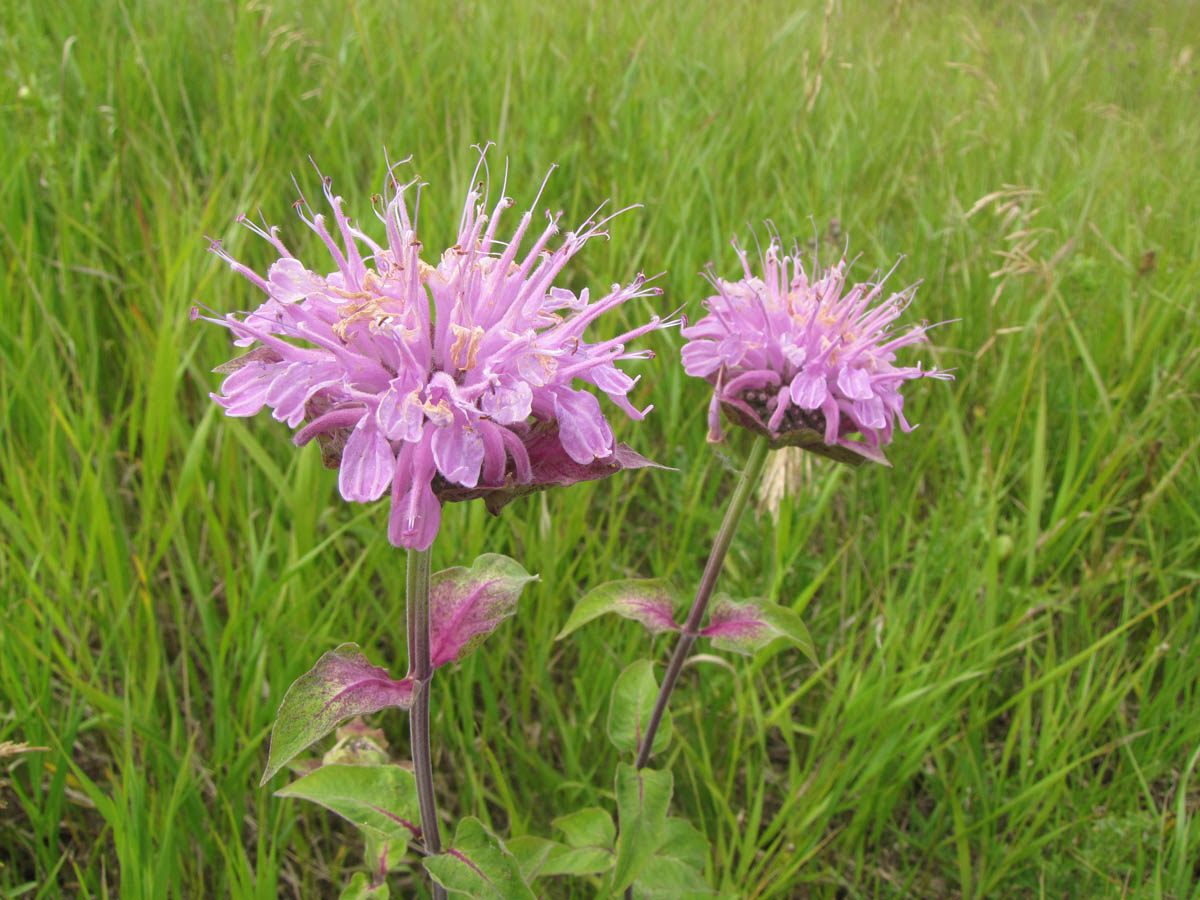
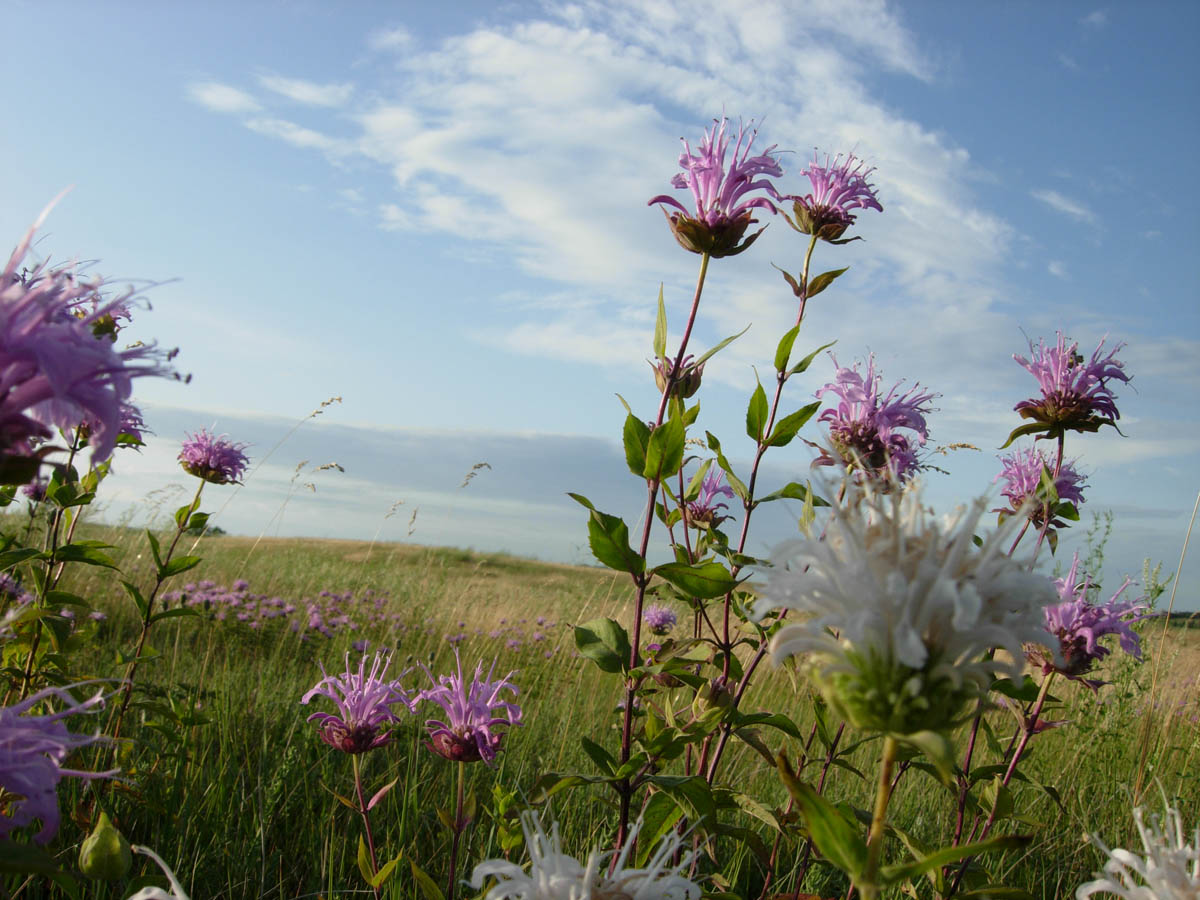
A popular, showy perennial with distinctively minty aromatic foliage. A favorite of butterflies, bees and hummingbirds. The flowers look like ragged pompoms. It blooms on top of open-branched, hairy, square stems. Leaves are green-grey, opposite on the stem, triangular to lance-shaped, and slightly toothed.
Dakota Cultural Use
Also known as “elk medicine” and was used as a love charm. The flowers and leaves were boiled together in an infusion used to treat abdominal pains. The leaves themselves were used to make tea, were eaten raw or cooked, and were used as a seasoning. Bachelors carry bunches of it in their clothes for the pleasant fragrance, as it was highly valued as a perfume. The leaves were also chewed during singing, dancing, or hunting to help prevent a sore throat. Typically harvested in the summer and eaten immediately or dried and stored.