General Details
Plant Characteristics
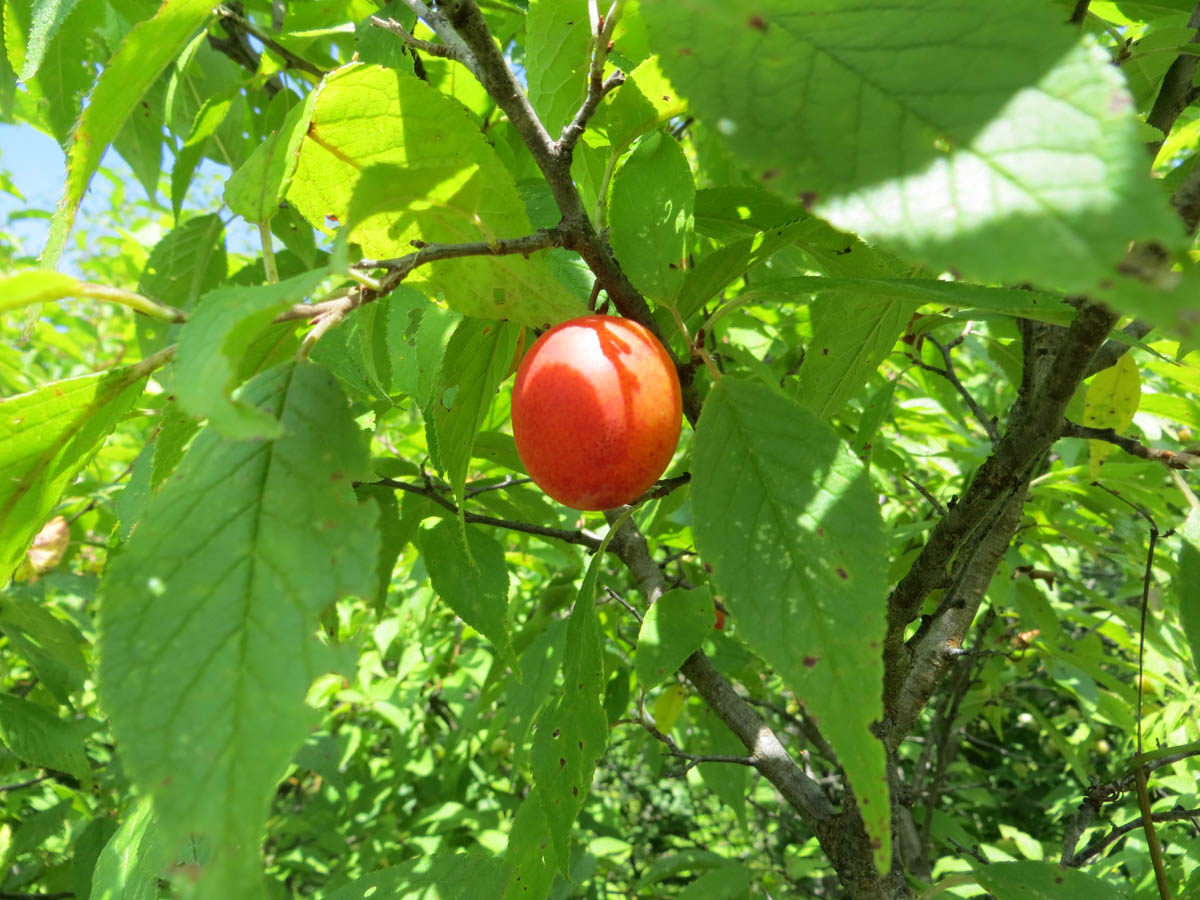
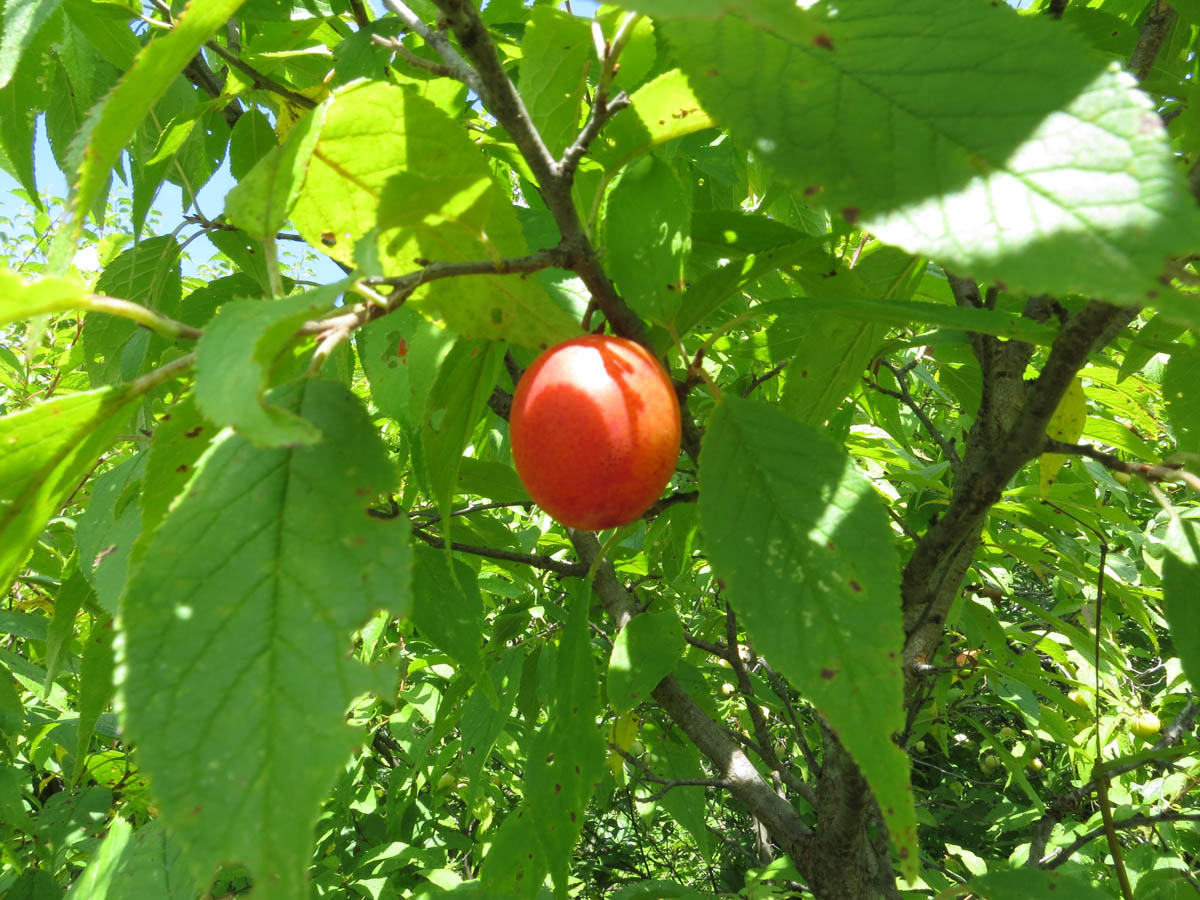
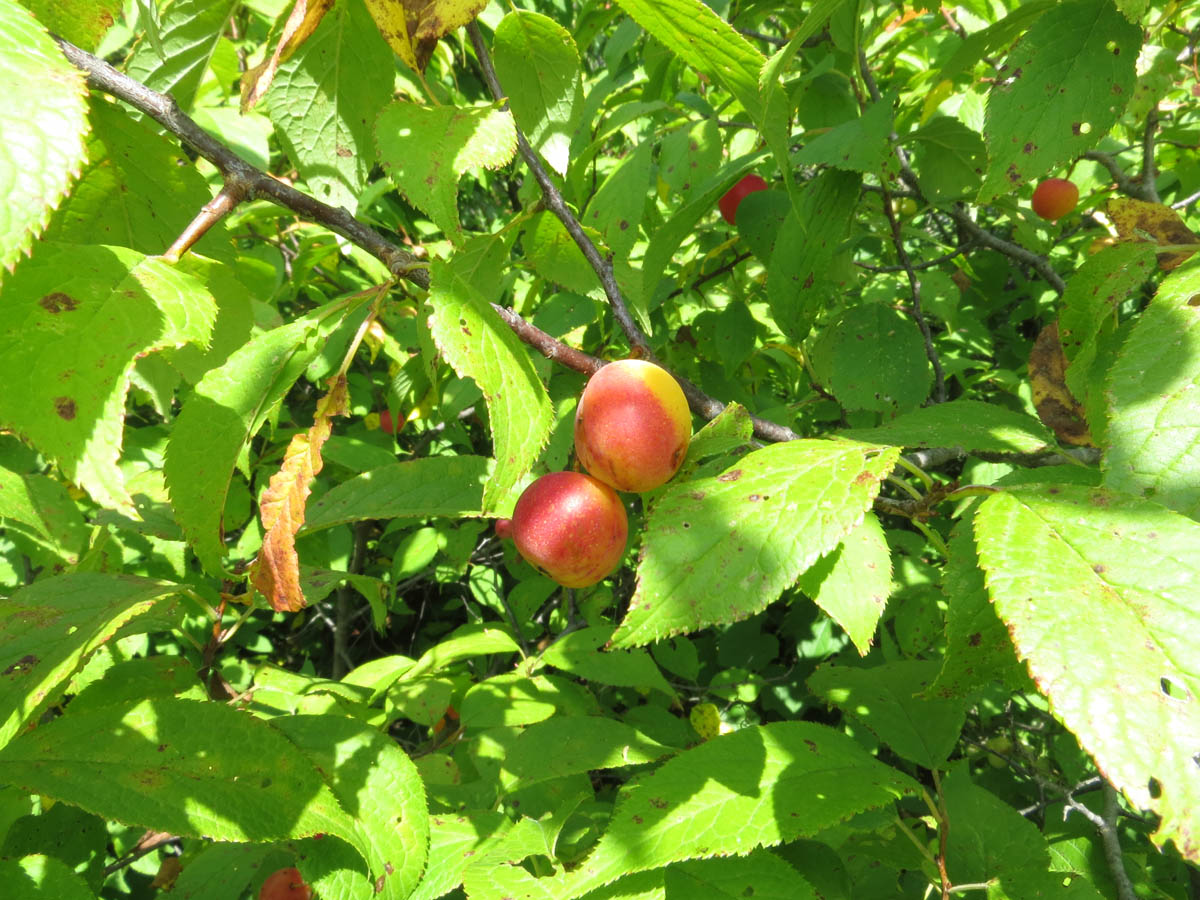
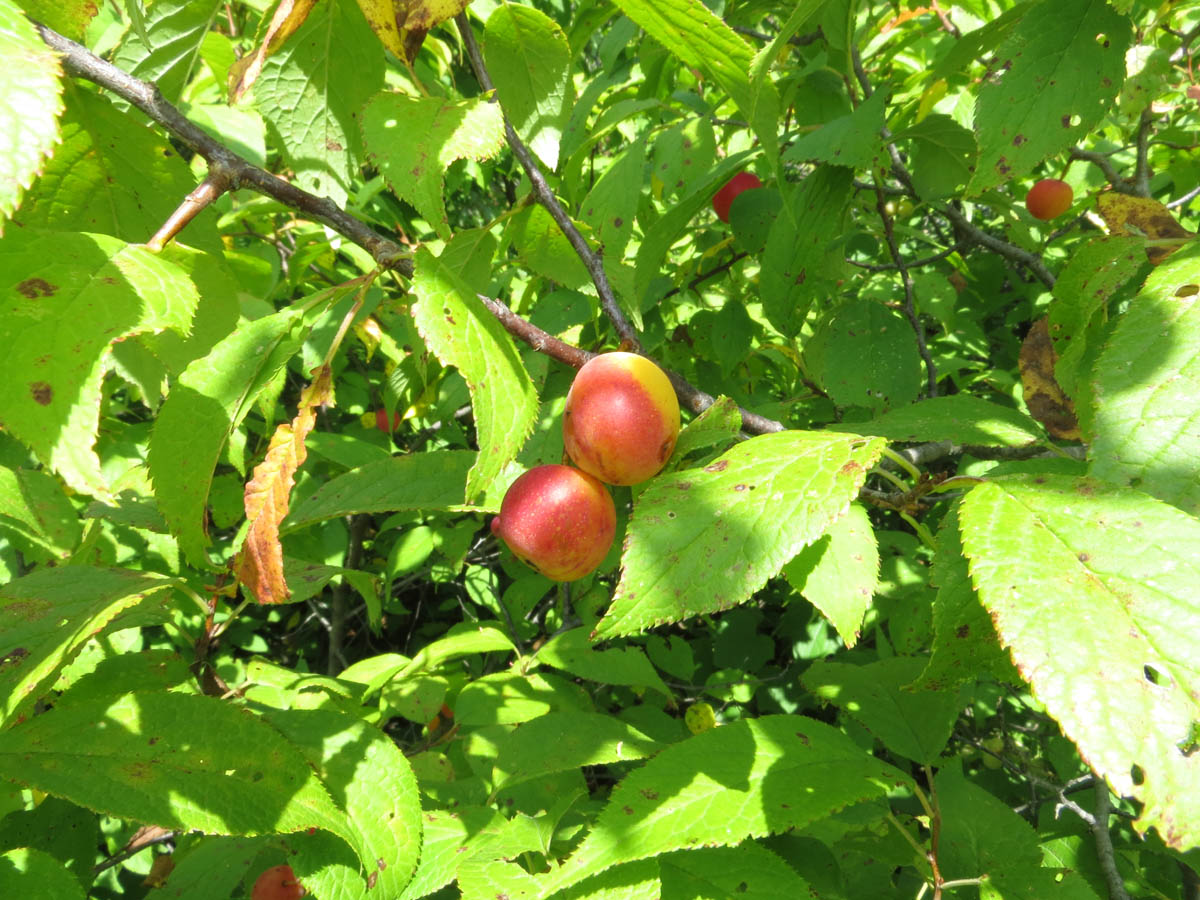
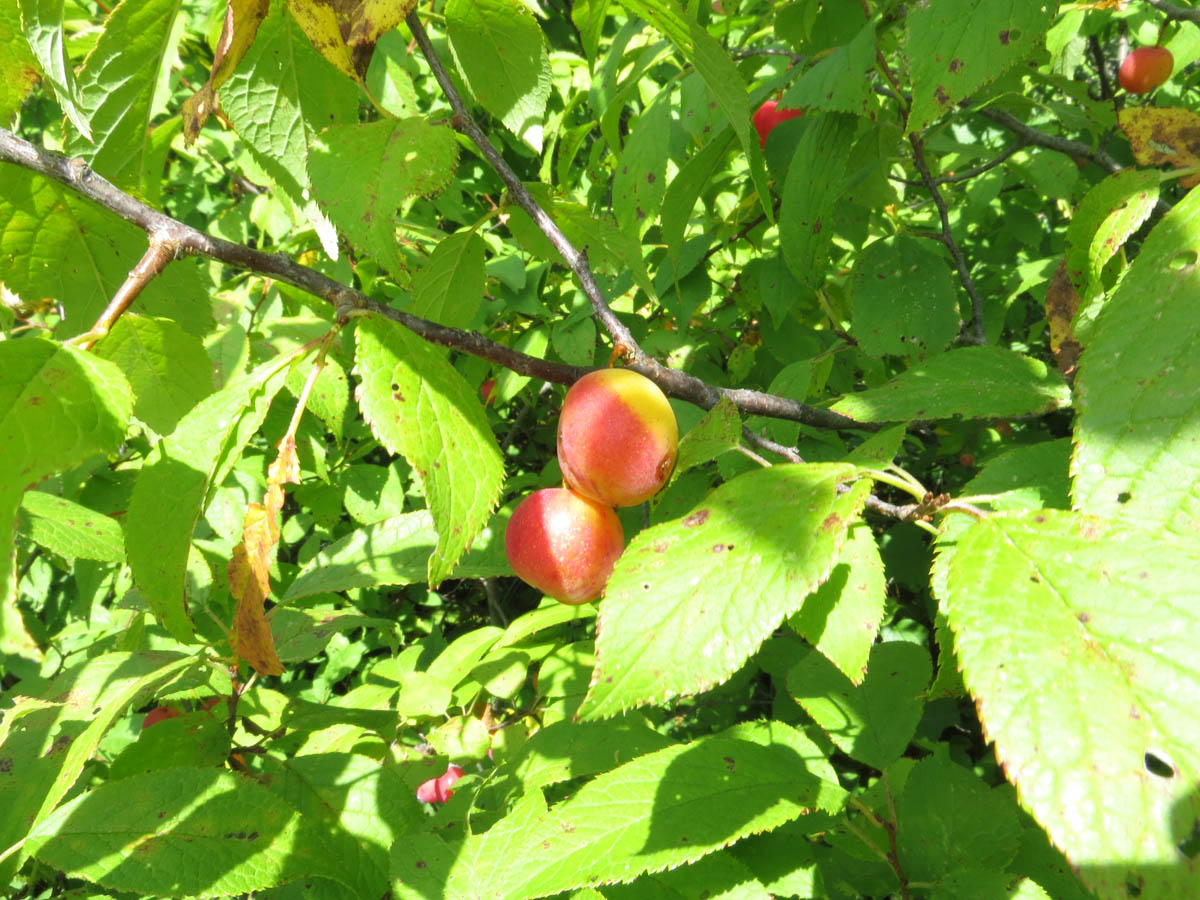
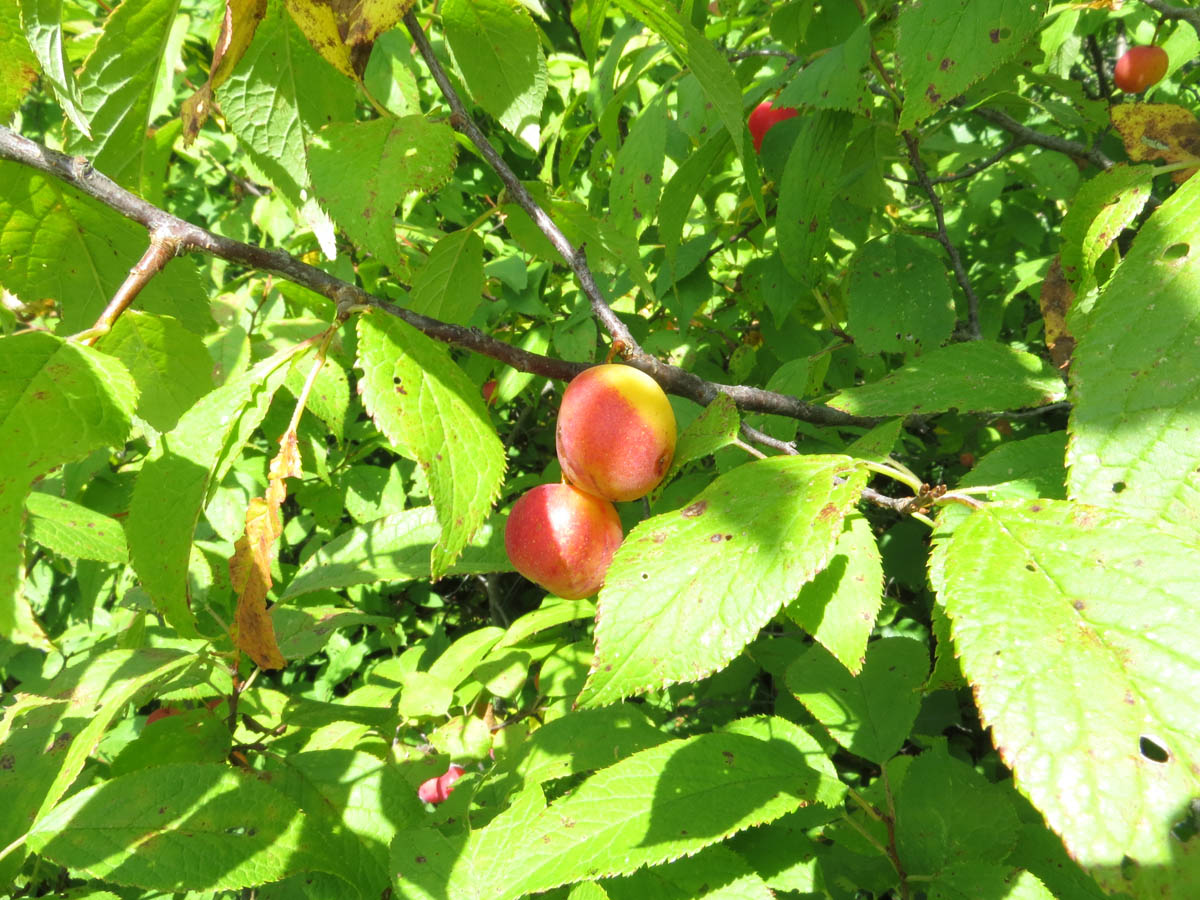
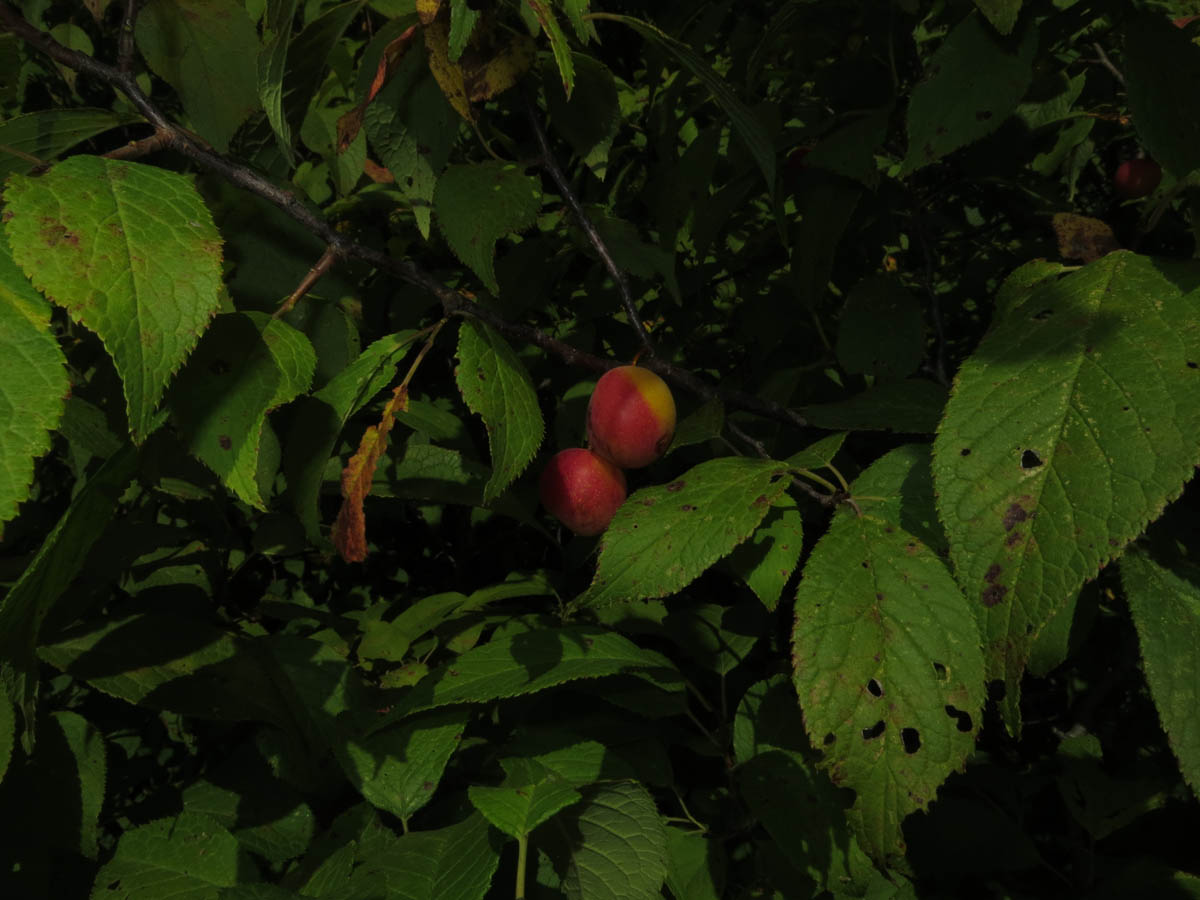
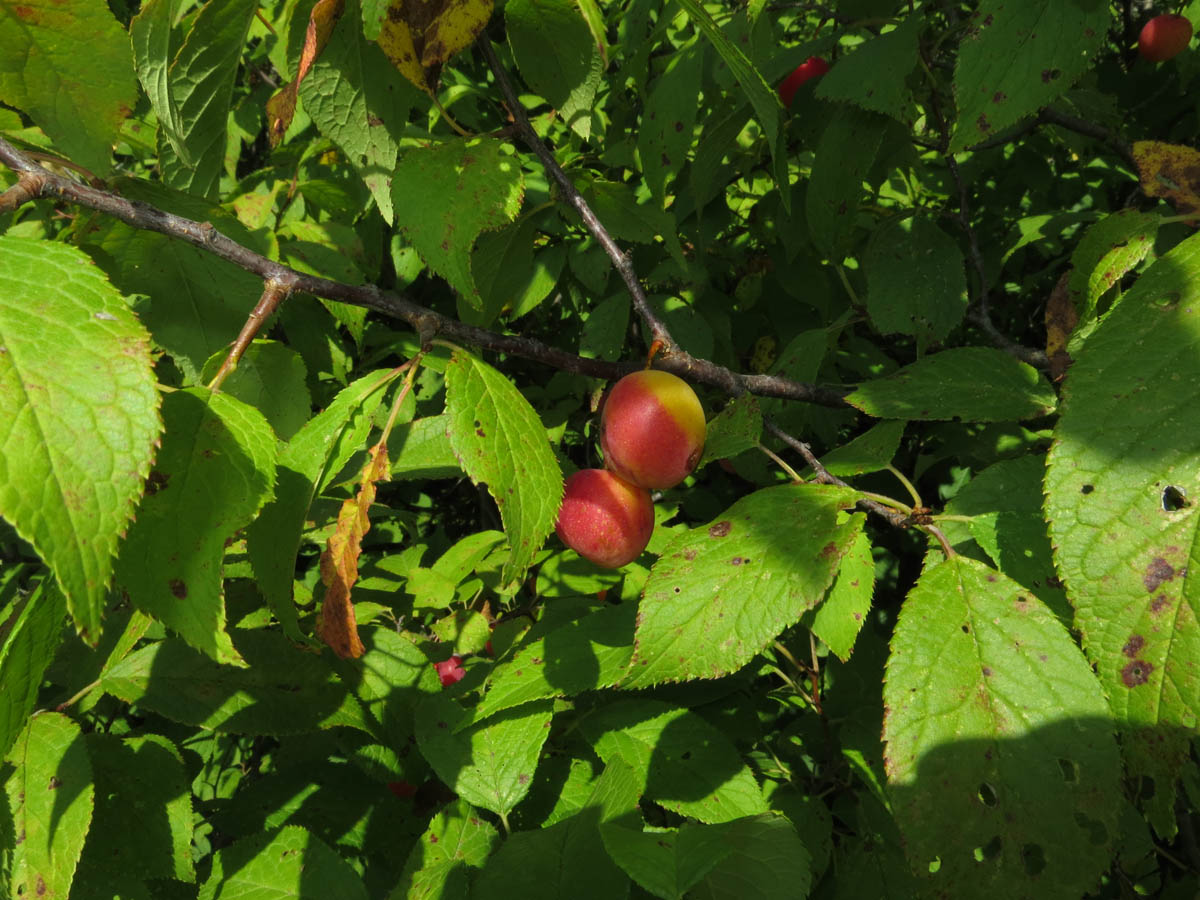
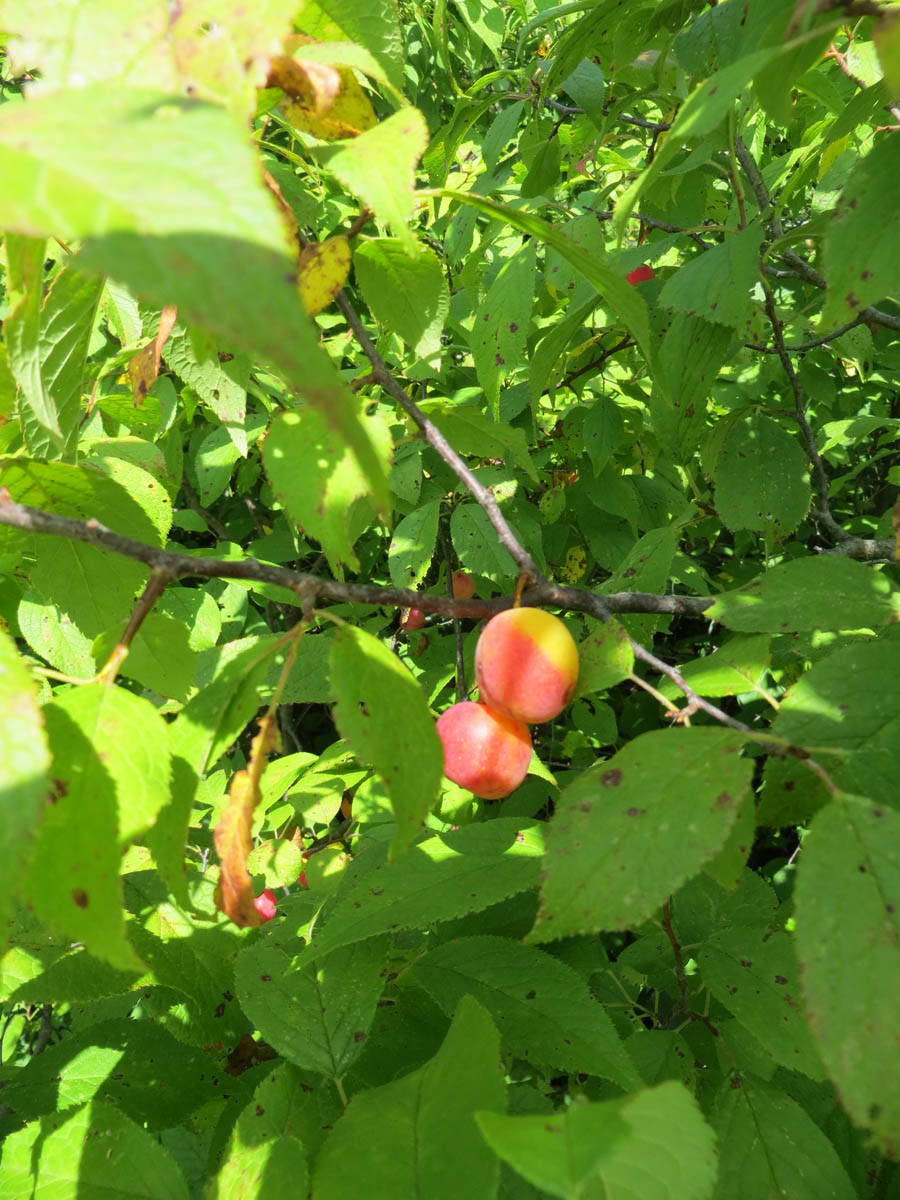
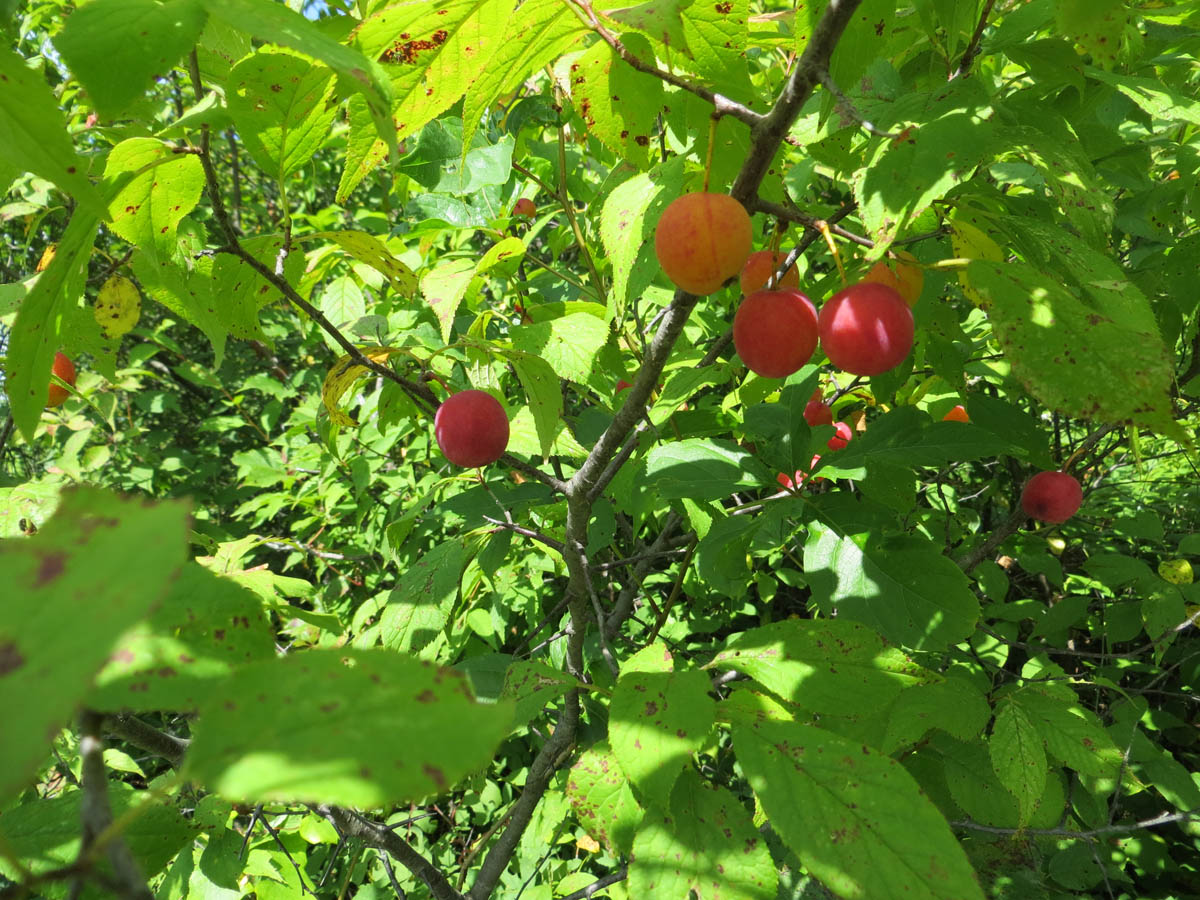
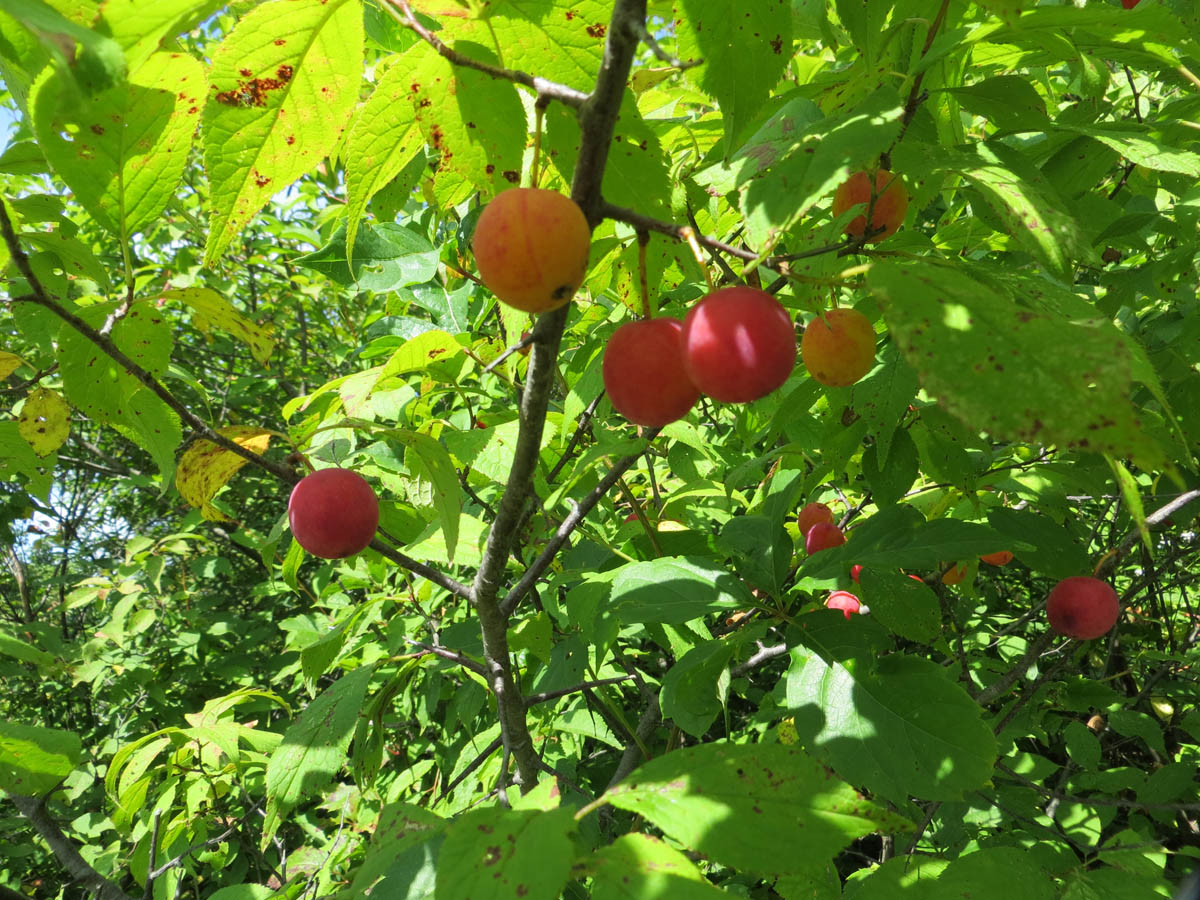
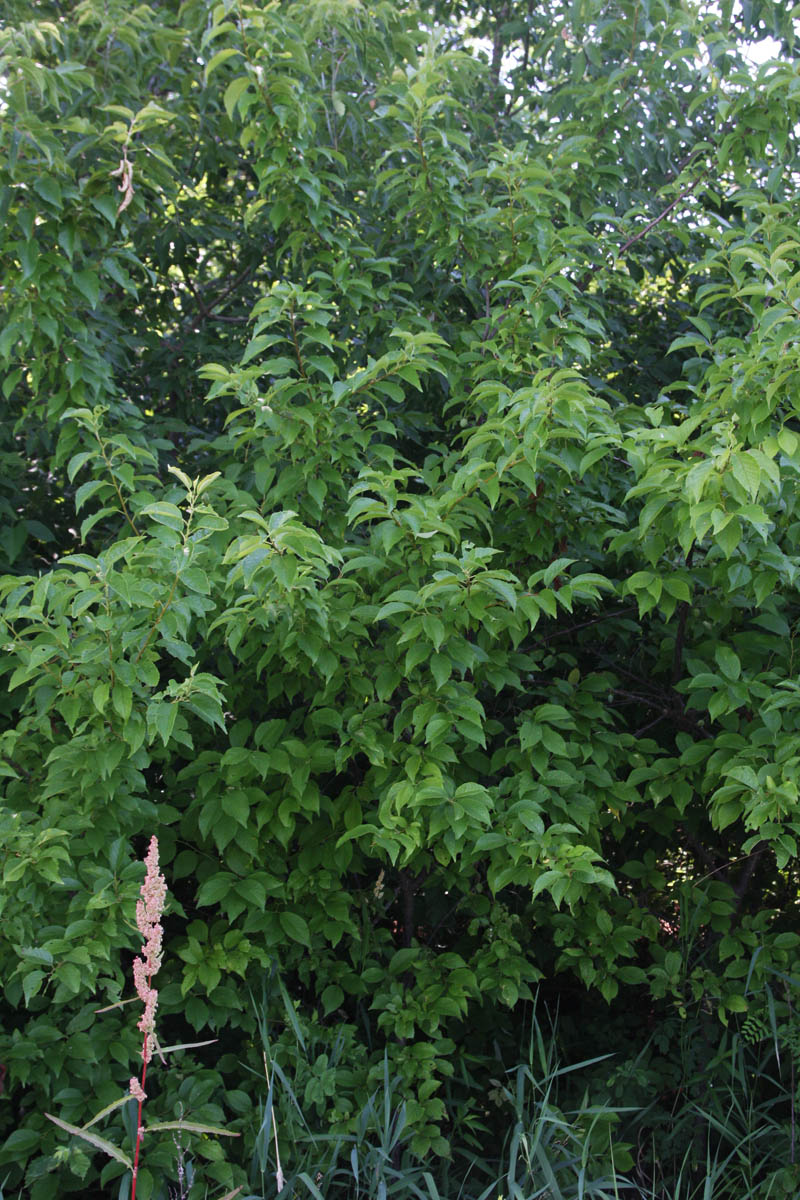
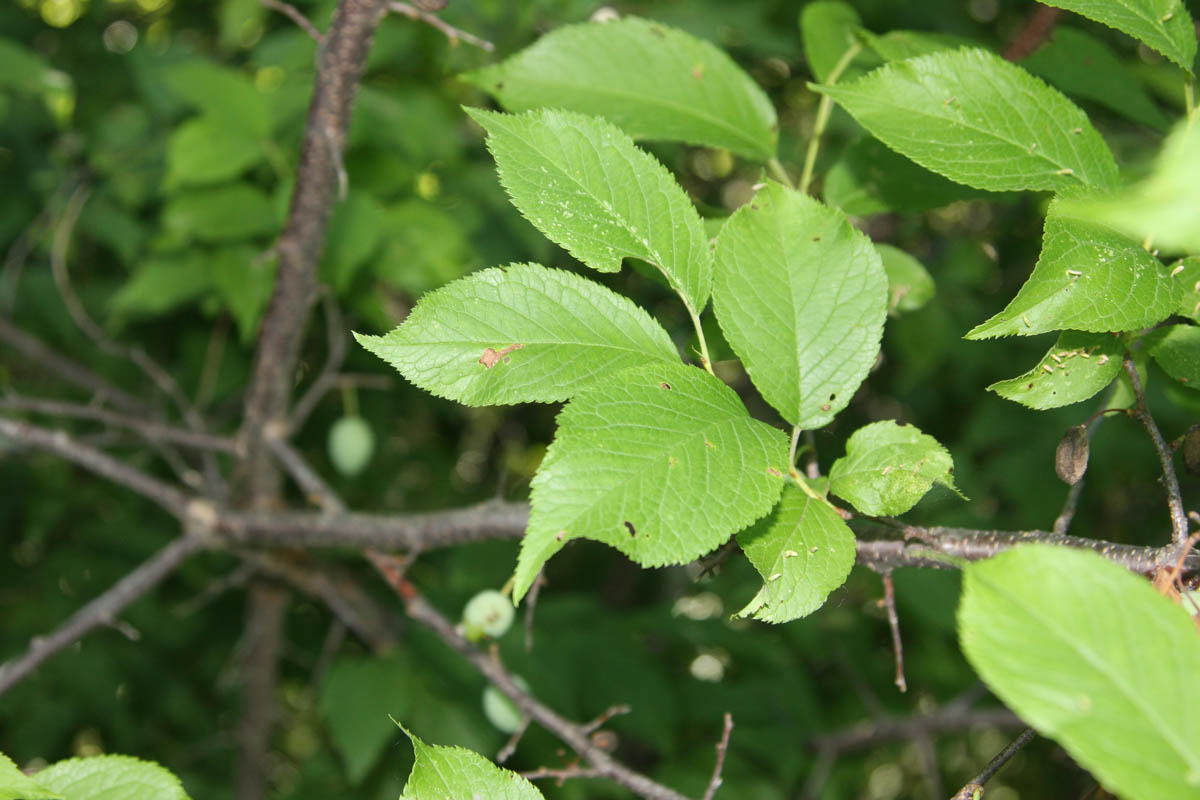
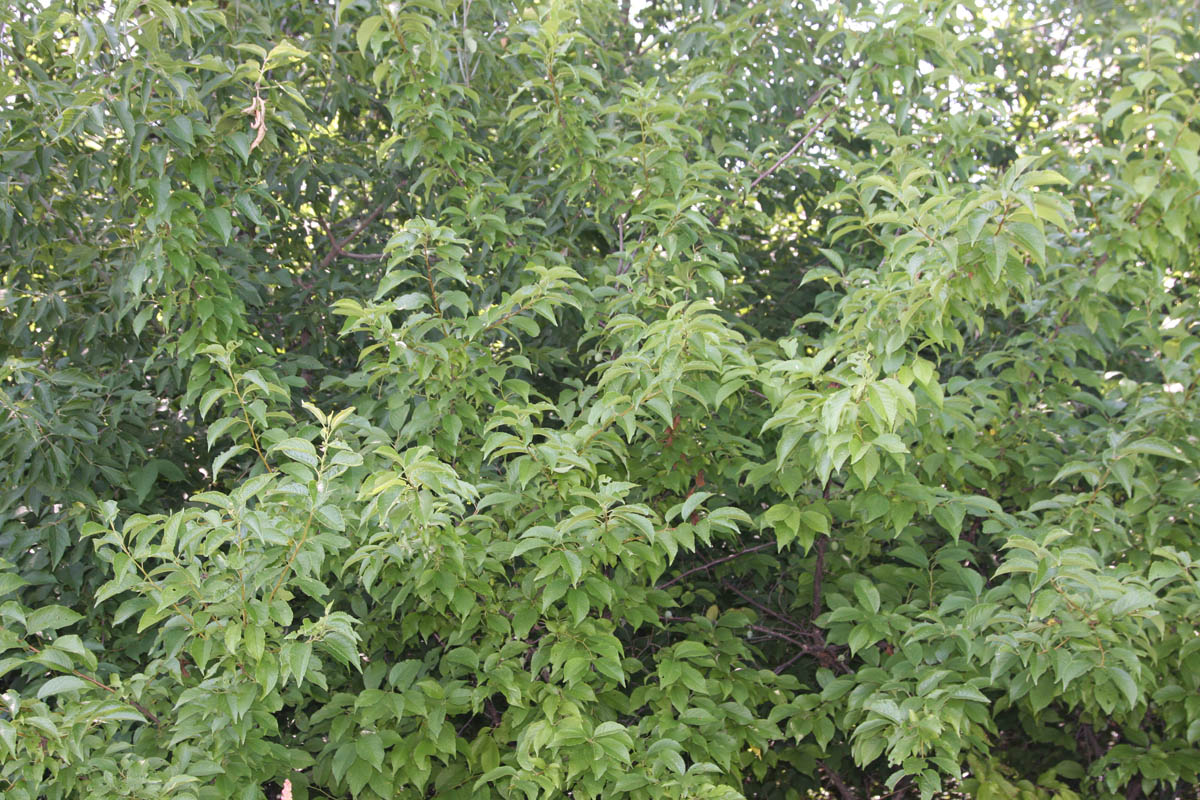
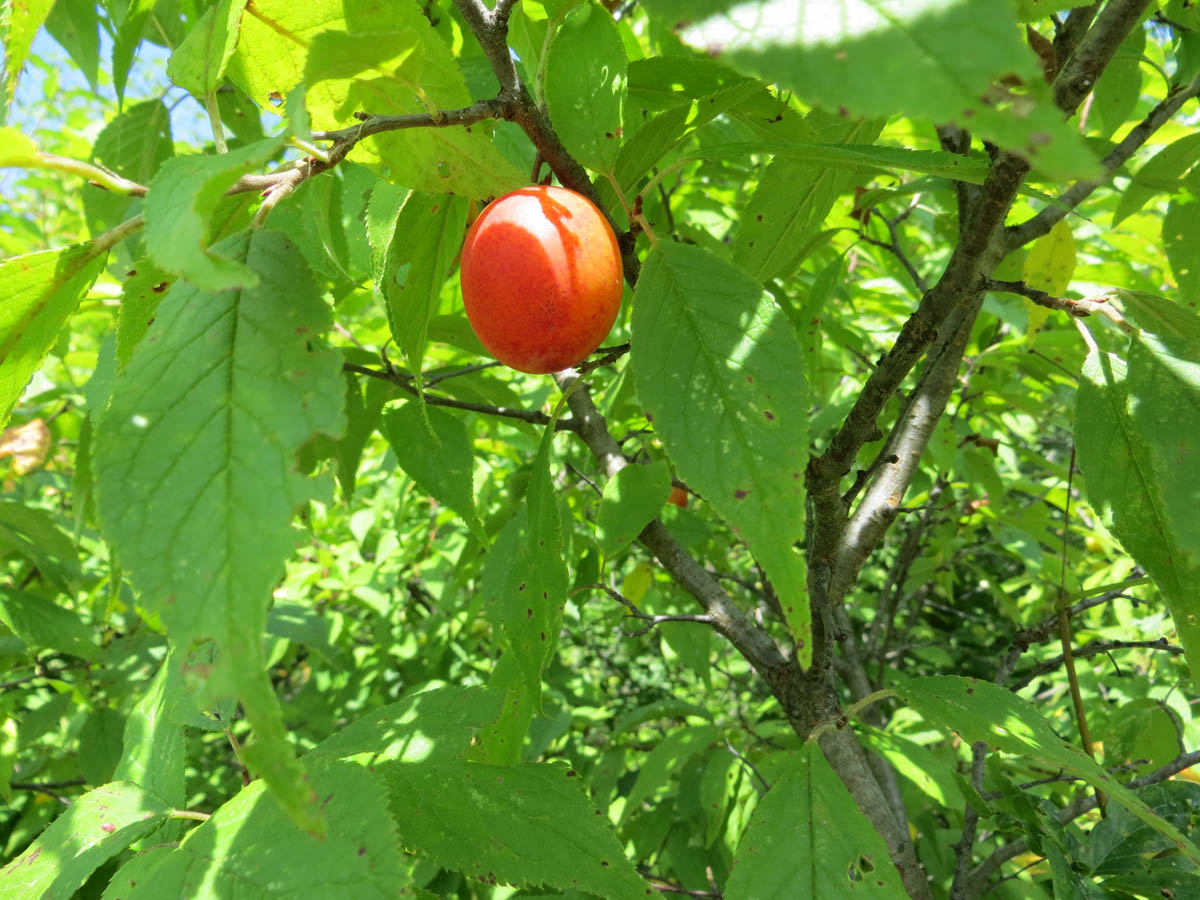
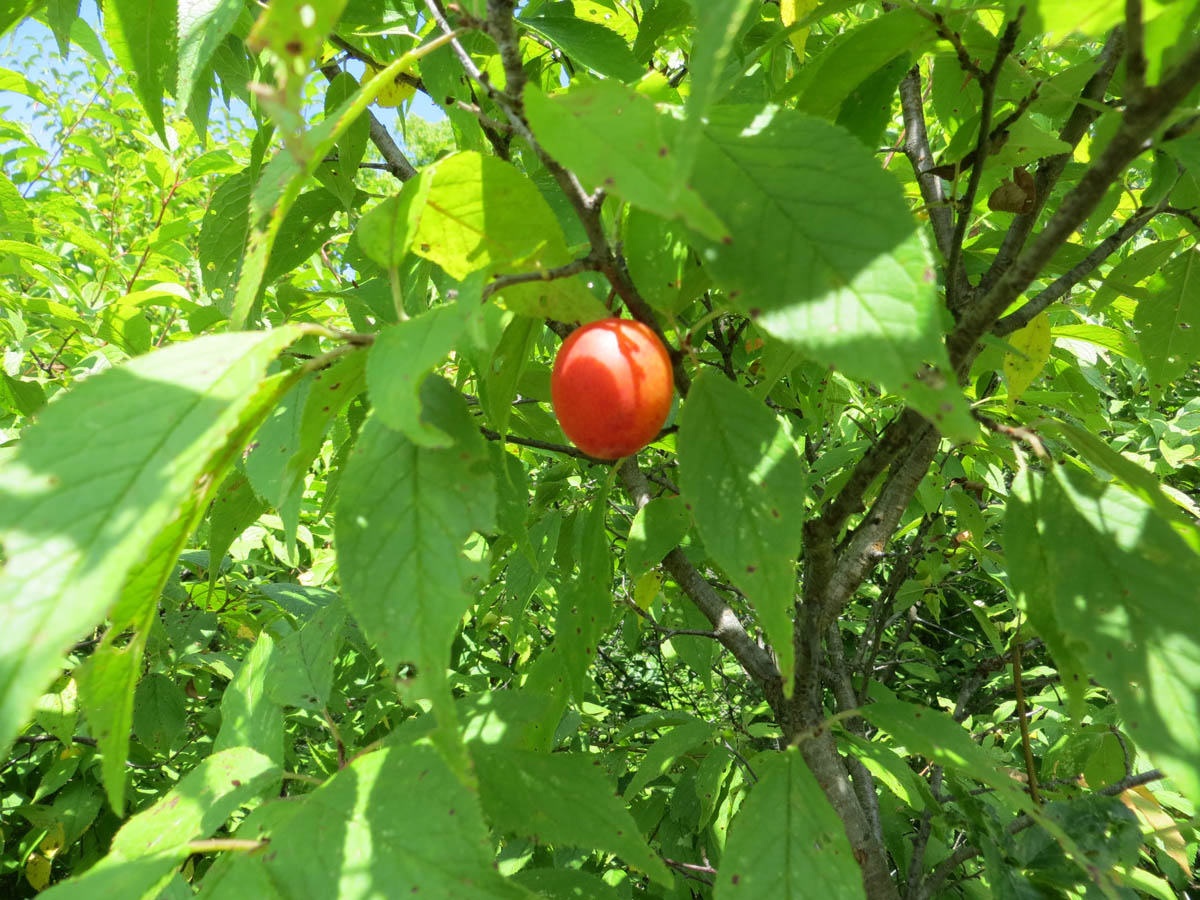
American plum is a deciduous large shrub or small tree with a broad crown. Leaves are alternate, broadly oval in shape with a sharply tapering tip, and sharply, often doubly toothed edges; they are generally 2-4 inches long on slender stalks, dark green above, pale and smooth below. The plant’s numerous stems are grayish and become scaly with age; its branches are more or less spiny with sharp tipped twigs. The roots of American plum are shallow, widely spreading, and readily sprouting.
Dakota Cultural Use
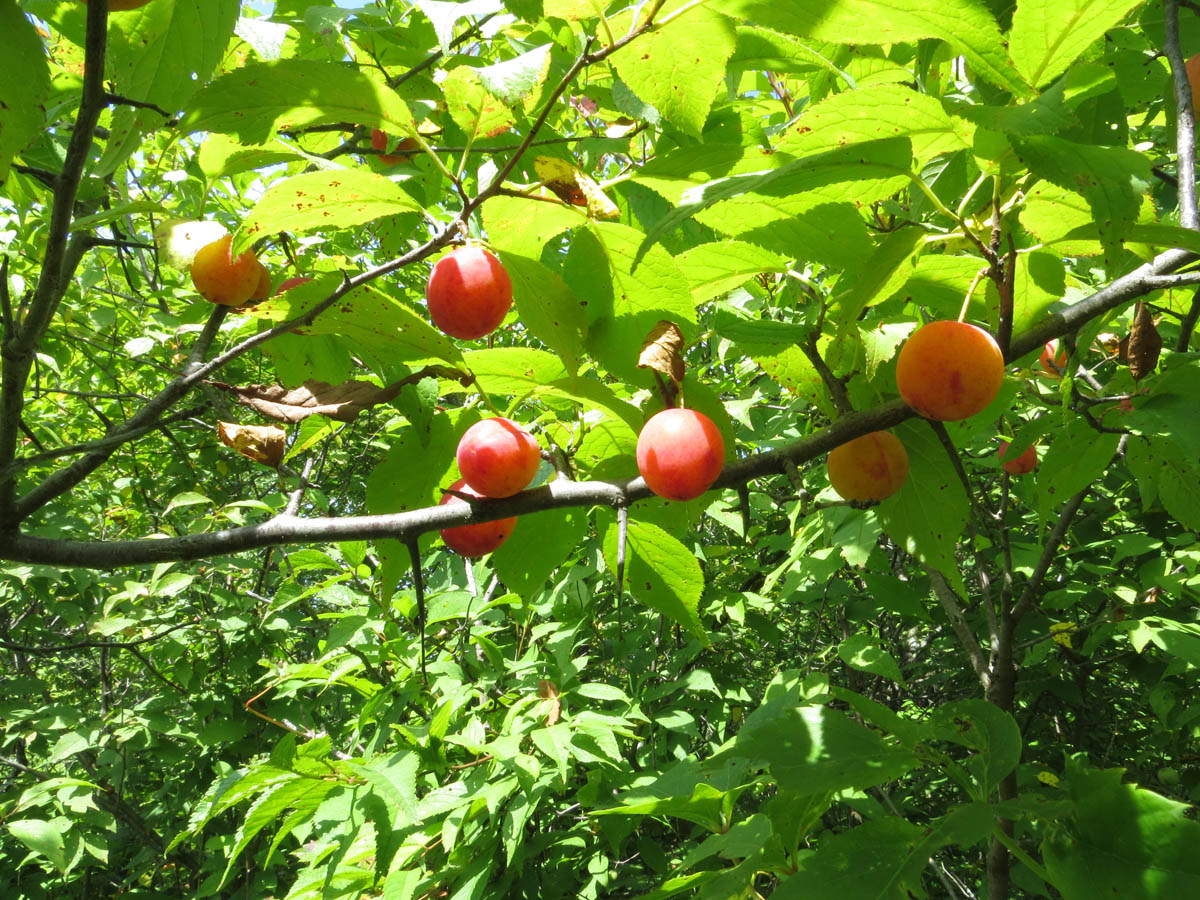
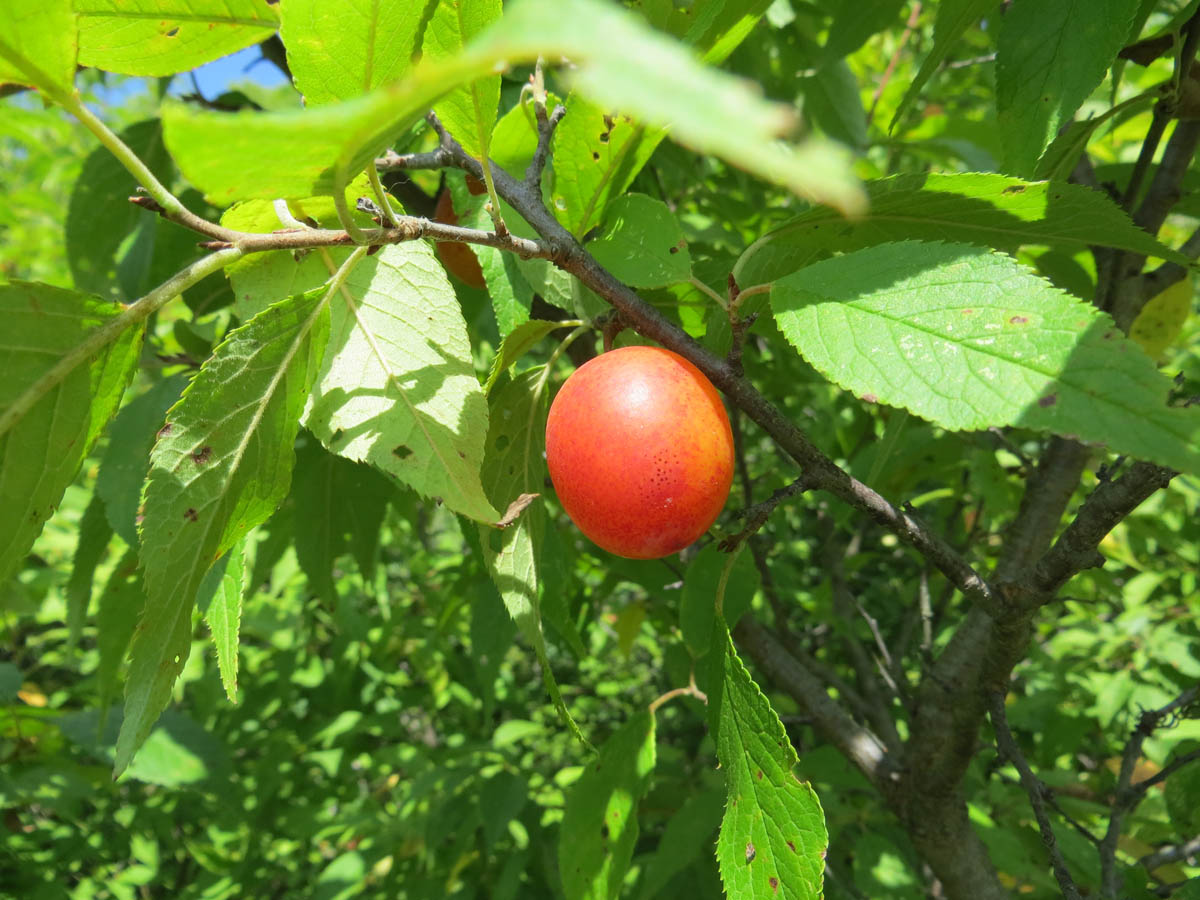
The fruit of the “plum tree” was used fresh, raw or made into a sauce, or boiled and pitted, or smashed into patties and dried in the sun for winter use. They were commonly pitted before drying, but they often dried them without removing the pits. The fruit was highly valued for food, being eaten fresh and raw or cooked as a sauce. The fruit was also great for making jelly, jam, pies, and added to dried meat, as well as mixed with fat to make pemmican (a survival superfood).
In the days of buffalo hunting the scrapings of the hides in preparing them for tanning were saved and mixed with the plums and dried together. Plum seeds were used to make the playing pieces of a certain game similar to dice. The pieces are cast in a small basket woven of willow withes. The play is made by striking against the ground the bottom of the basket containing the plum pits. A broom for sweeping the floor of the dwelling was made by binding together a bundle of plum twigs. The plum was used because of its toughness and elasticity.