General Details
Dakota Name:
Pannúƞpada dúta
Scientific Name:
Asclepias tuberosa
Alternate Names:
Butterfly-weed, orange Swallow-wort
Height:
Grows 1 - 2 feet
Flowers:
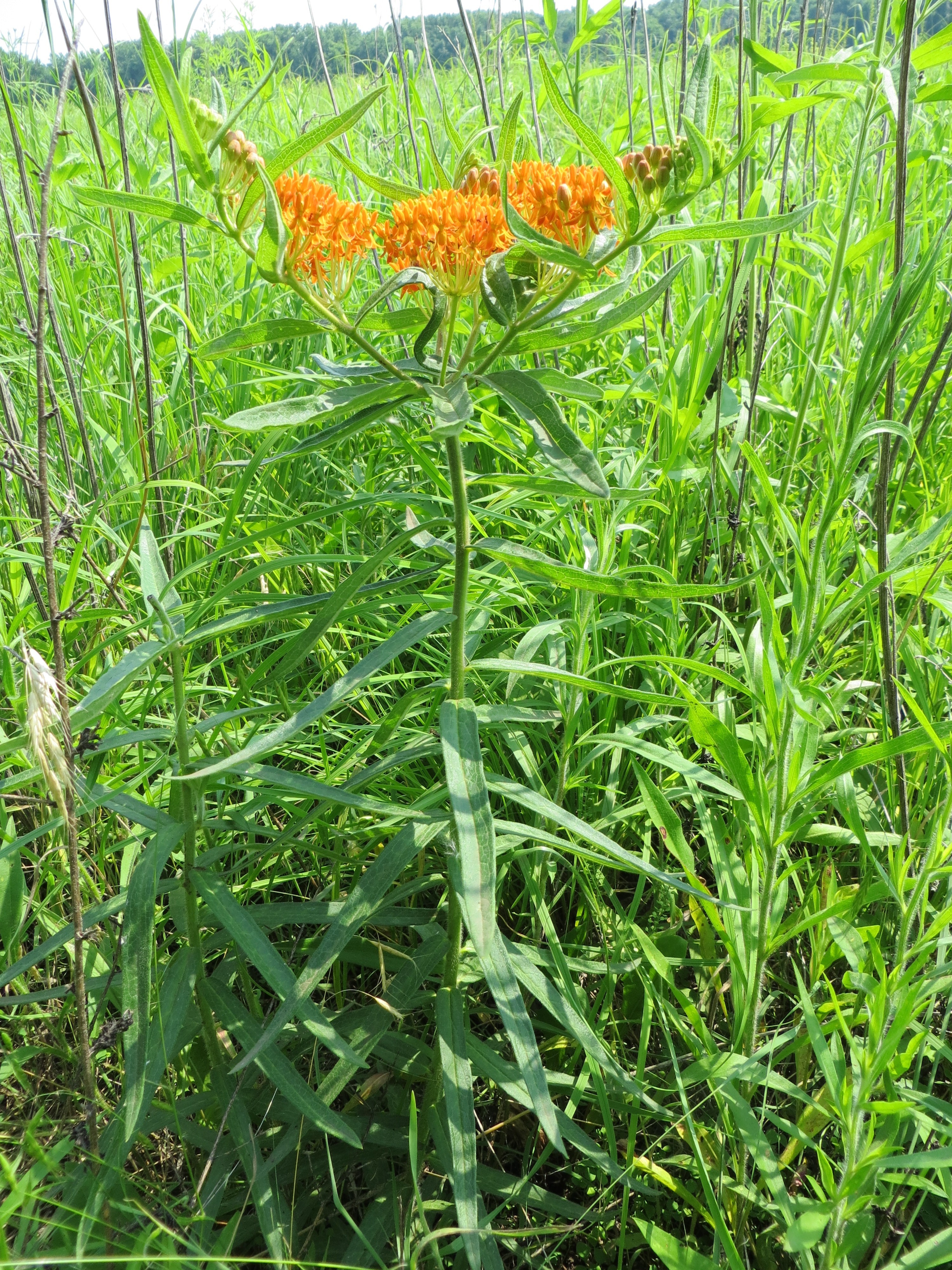
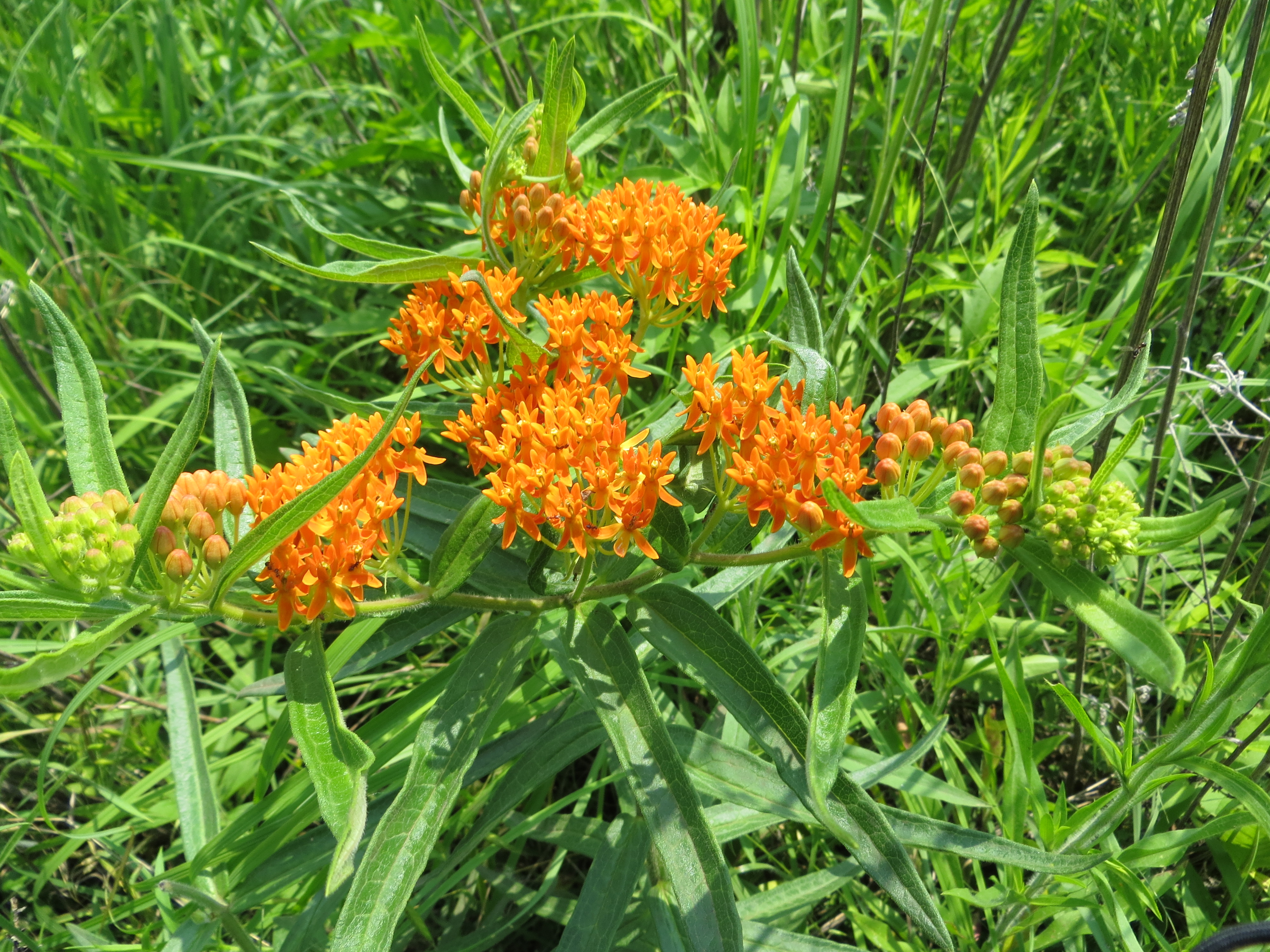
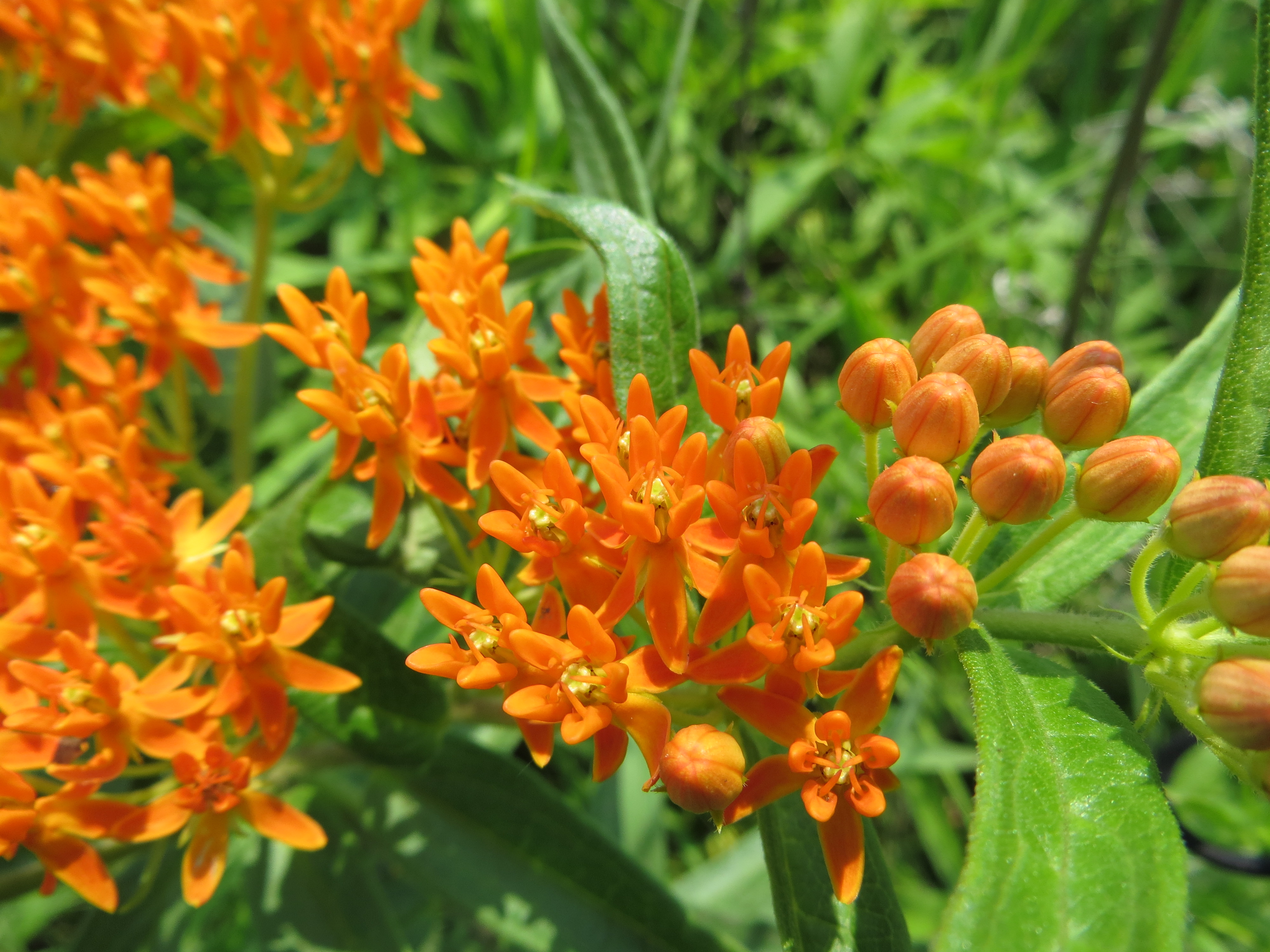
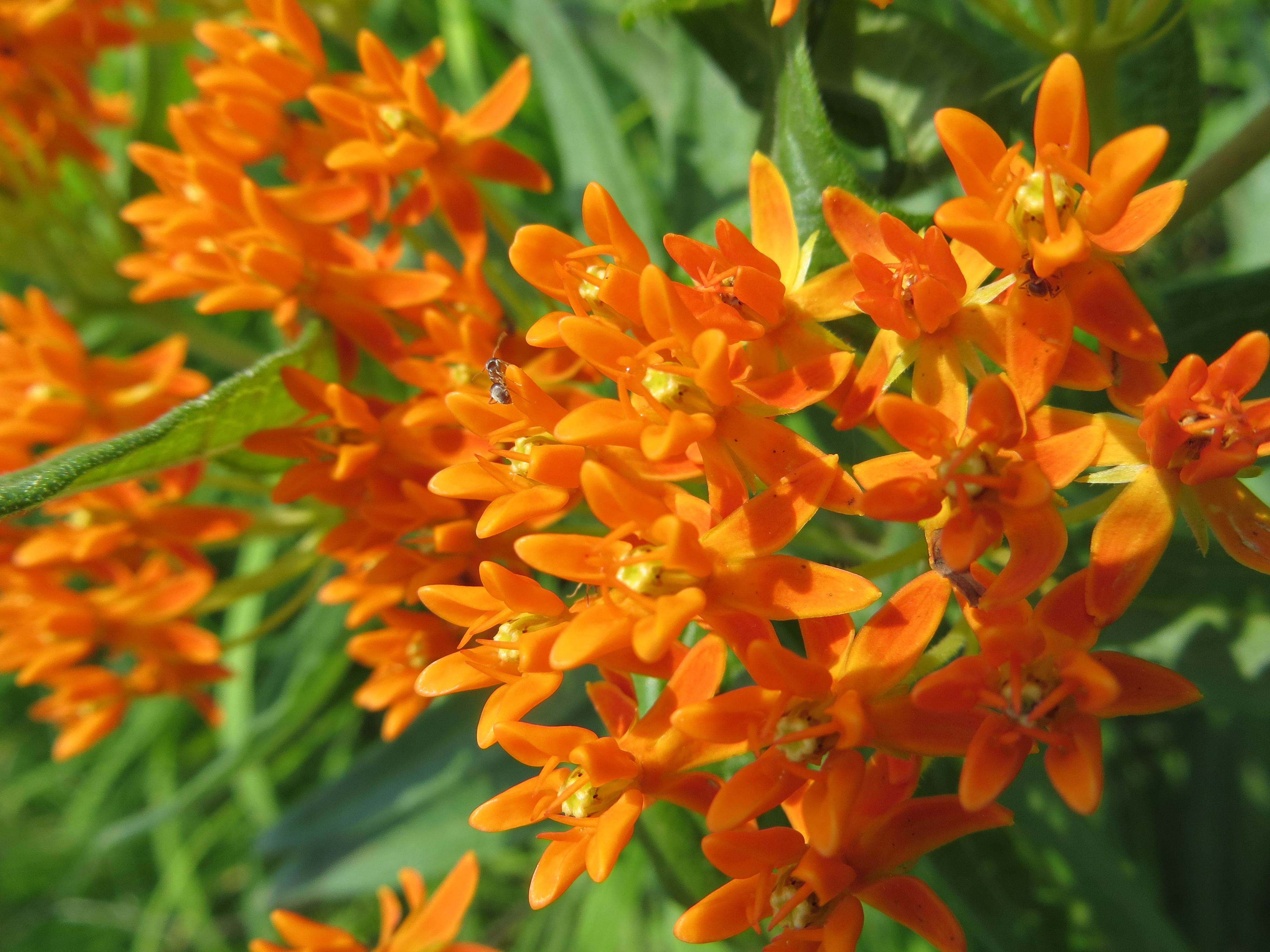
Flat, cluster flower head with up to 25 tiny, orange flowers each with 5 petals flaring out on bottom, 5 hoods crowning that, each with 5 horns coming out over the yellow center. Blooms June to September.
Flat, cluster flower head with up to 25 tiny, orange flowers each with 5 petals flaring out on bottom, 5 hoods crowning that, each with 5 horns coming out over the yellow center. Blooms June to September.
Flat, cluster flower head with up to 25 tiny, orange flowers each with 5 petals flaring out on bottom, 5 hoods crowning that, each with 5 horns coming out over the yellow center. Blooms June to September.
Flat, cluster flower head with up to 25 tiny, orange flowers each with 5 petals flaring out on bottom, 5 hoods crowning that, each with 5 horns coming out over the yellow center. Blooms June to September.
Flat, cluster flower head with up to 25 tiny, orange flowers each with 5 petals flaring out on bottom, 5 hoods crowning that, each with 5 horns coming out over the yellow center. Blooms June to September.
Flat, cluster flower head with up to 25 tiny, orange flowers each with 5 petals flaring out on bottom, 5 hoods crowning that, each with 5 horns coming out over the yellow center. Blooms June to September.
Fruit:
Spindle-shaped follicles covered with soft hairs and containing small, round, hairy, brown seeds.
Habitat:
Found in full sun in dry fields, roadsides, and prairies.
Plant Characteristics
A perennial with finely haired stems and toothless leaves that are 1 inch wide and 2 to 5 inches long. Unlike other milkweed plants, the stem of the butterfly milkweed is not milky when broken. A favorite with monarch butterflies, as well as bees, hummingbirds and other pollinators.
Dakota Cultural Use
The roots and leaves of numerous milkweed species were used in an infusion to treat stomach troubles, kidney trouble, and to treat sore breasts. A concoction made from the roots was used to treat cuts and wounds.