General Details
Plant Characteristics
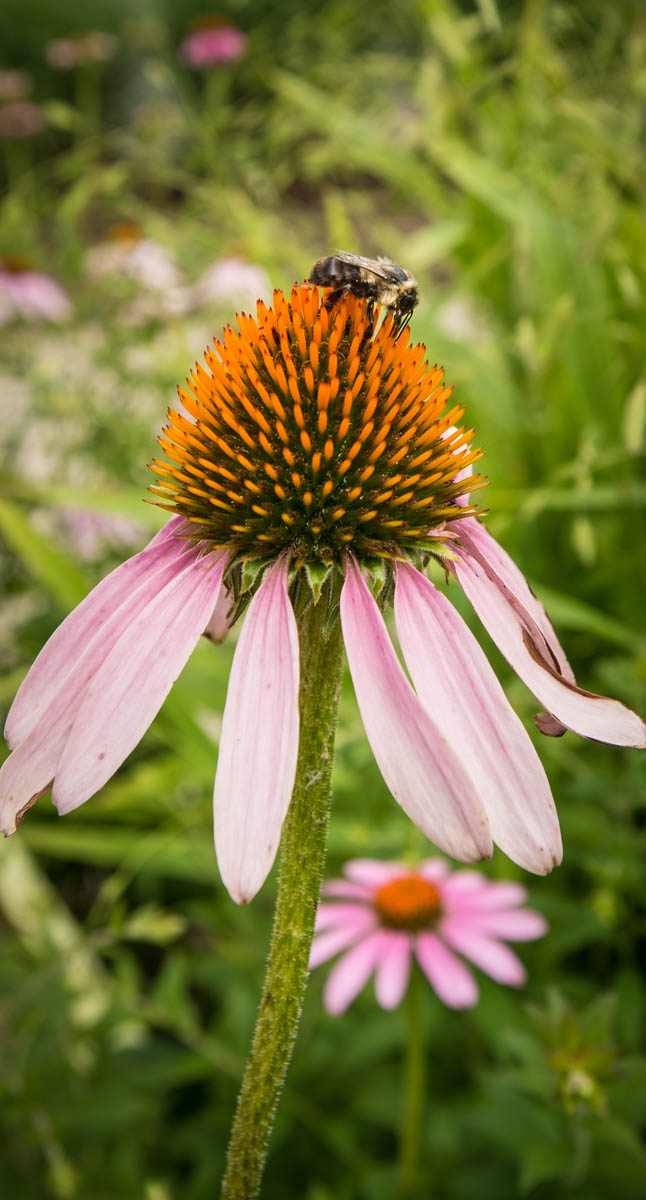
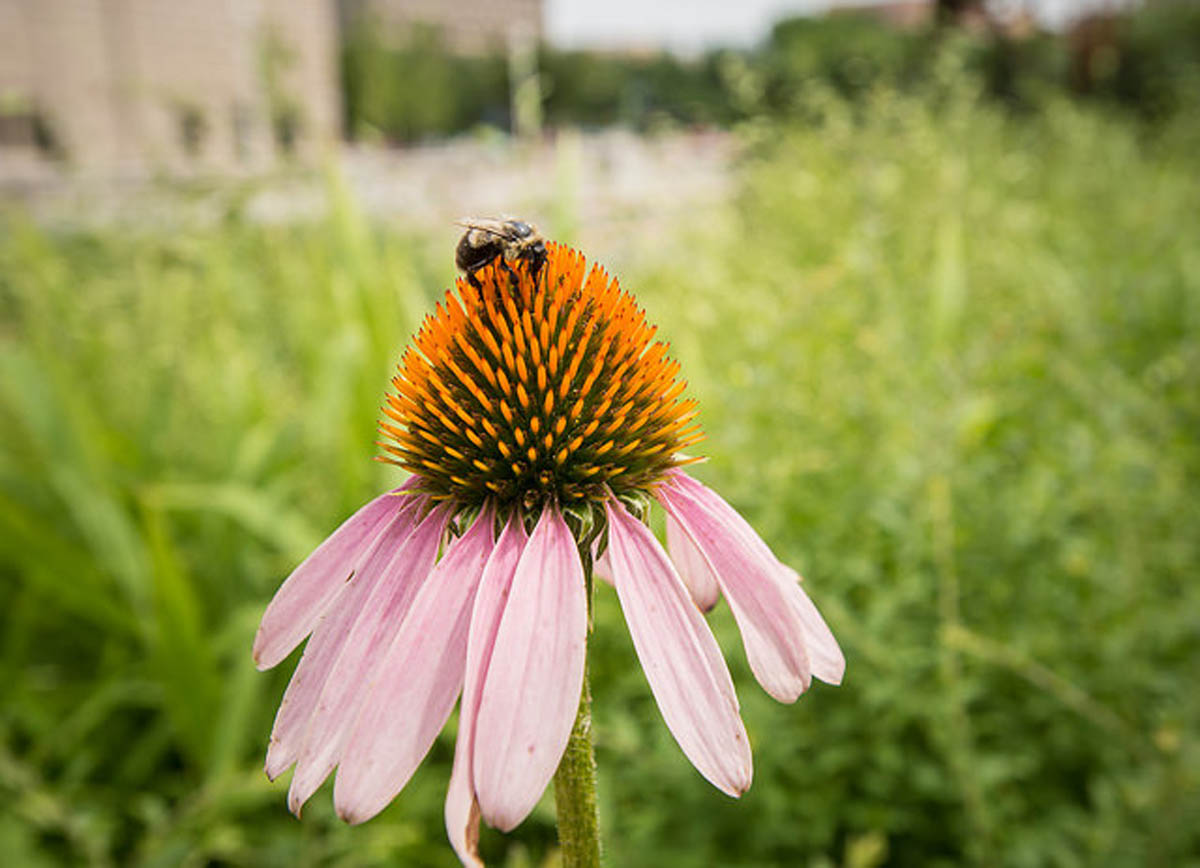
Single flowers bloom at the end of the stout hairy stem of this perennial. Long, narrow leaves occur mostly at the base of the plant and are alternately attached. These lower leaves can be up
to 8 inches long and 1/2 to 1 inch wide, becoming smaller and without a stalk higher up the plant. Leaf edges are untoothed, 3-veined, and rough to the touch , with small hairs. Stems may be
green to purple in color and are also hairy and rough like the leaves.
Dakota Cultural Use
Also meaning “whip plant,” it was used as a remedy for more ailments than any other plant. It was universally used as an antidote for snake bite, and other venomous bites, stings, and
poisonous conditions. In the smoke treatment, it was used to treat headaches in people and distemper in horses. It was used also as a remedy for toothache, a piece being kept on the painful tooth until there was relief, and for enlarged glands, as in mumps. It was said that jugglers bathed their hands and arms in the juice of this plant so that they could take out a piece of meat from a boiling kettle with the bare hand without suffering pain, to the wonderment of onlookers. The root was used for all sorts of ailments. It was applied to areas of inflammation to relieve the burning sensation. It was said to give a feeling of coolness.