General Details
Plant Characteristics
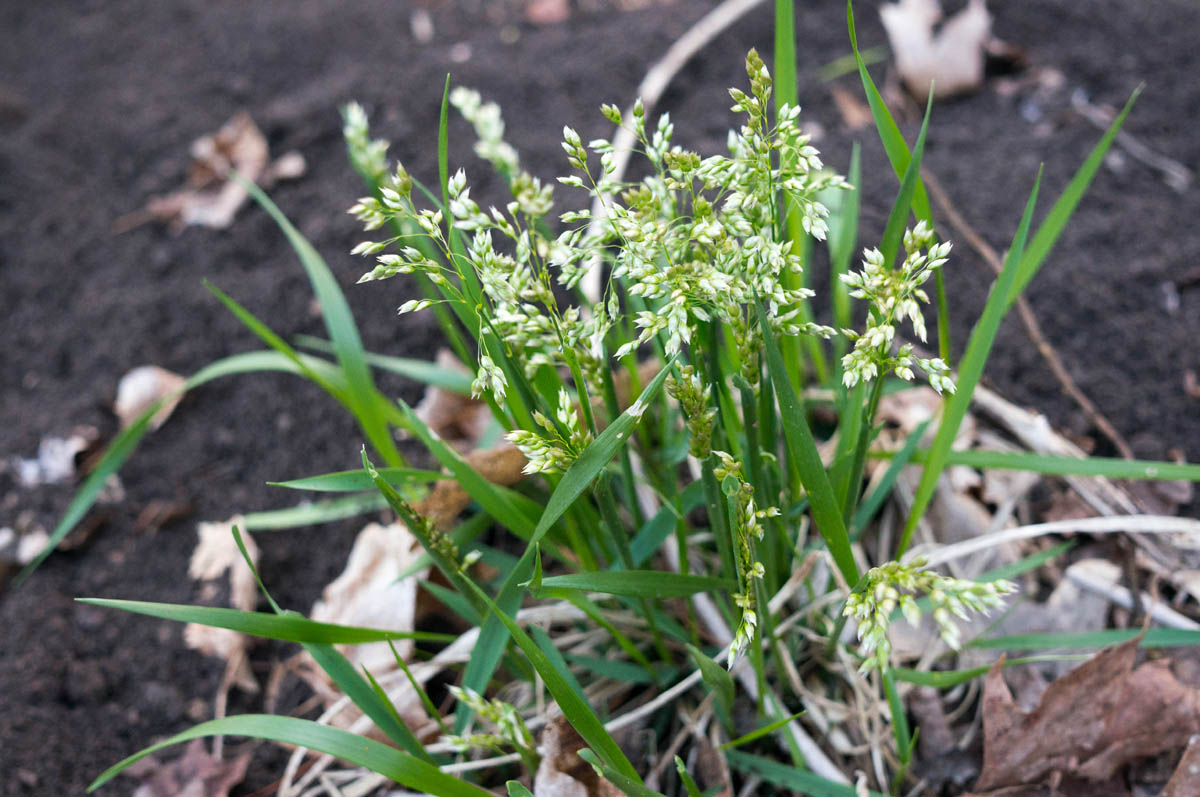
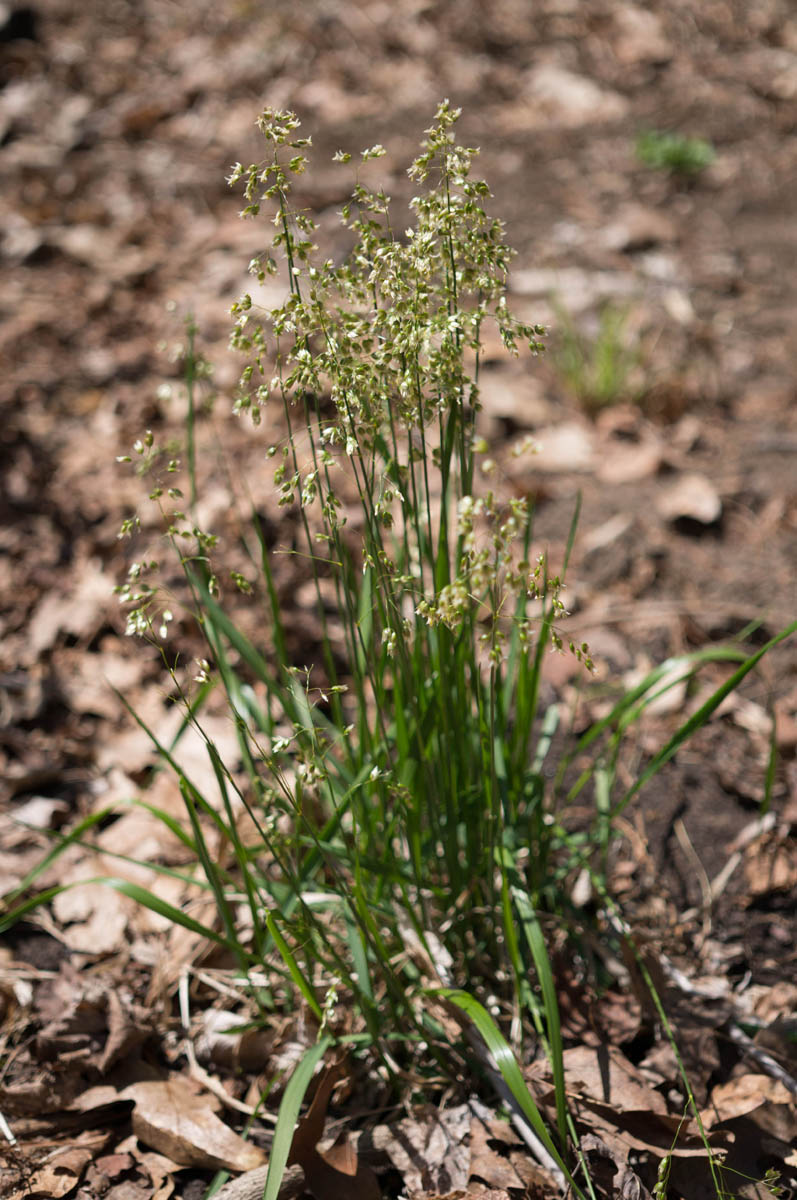
A native perennial grass, the stems are semi-erect, coming from slender creeping rhizomes. Leaves are few and rough-edged with shiny, hairless undersides. Often this plant has a reddish-purple color near its base. The highly prized longer leaves that grow on sterile shoots reach 18 inches or more in length. Sweetgrassis native to both northern North America and Eurasia. Normally, it is not found in pure stands, rather it is found among other grasses and shrubs in mid-successional communities.
Dakota Cultural Use
This grass was used in propitiatory rites in order to enlist the good offices of the divine mediator, in the cause of the person who was offering worship to a benevolent deity. Used for perfume and was burned as an incense in any ceremony or ritual to induce the presence of good influences or benevolent powers, while wild sage, a species of Artemisia, was burned to exorcize evil influences or malevolent powers.